



Quick Takeaways
| Key Takeaway | Details |
|---|---|
| Defining Brand Marketing | It’s the art of crafting and communicating a unique story that connects emotionally with consumers. |
| Emotional Storytelling | Brand marketing leverages relatable narratives to build trust, moving beyond just selling products. |
| Integrated Visual Identity | Visual elements, such as logos and color schemes, work in tandem with messaging to create a coherent identity. |
| Consistency Across Touchpoints | Every interaction, from digital ads to in-person events, should reflect the same tone and visual style. |
| Measurable Impact and Adaptability | Success is gauged through metrics like customer engagement and awareness, guiding continuous strategy refinement. |
What is Brand Marketing?
Brand marketing isn’t just about logos or a catchy tagline—it’s the art and science of telling your story, forging emotional connections, and positioning your business in the hearts of your customers. Essentially, brand marketing is the ongoing process of defining and promoting a set of values, attitudes, and promises that resonate with your target audience. It’s about painting a picture so vivid that customers not only remember your brand, but also trust and champion it.
Historically, marketing was all about shouting features and benefits. But as audiences grew more discerning, the focus shifted. It became less about the product and more about the promise behind it—a promise that the brand will stand by you, share your values, and add meaning to your everyday life.
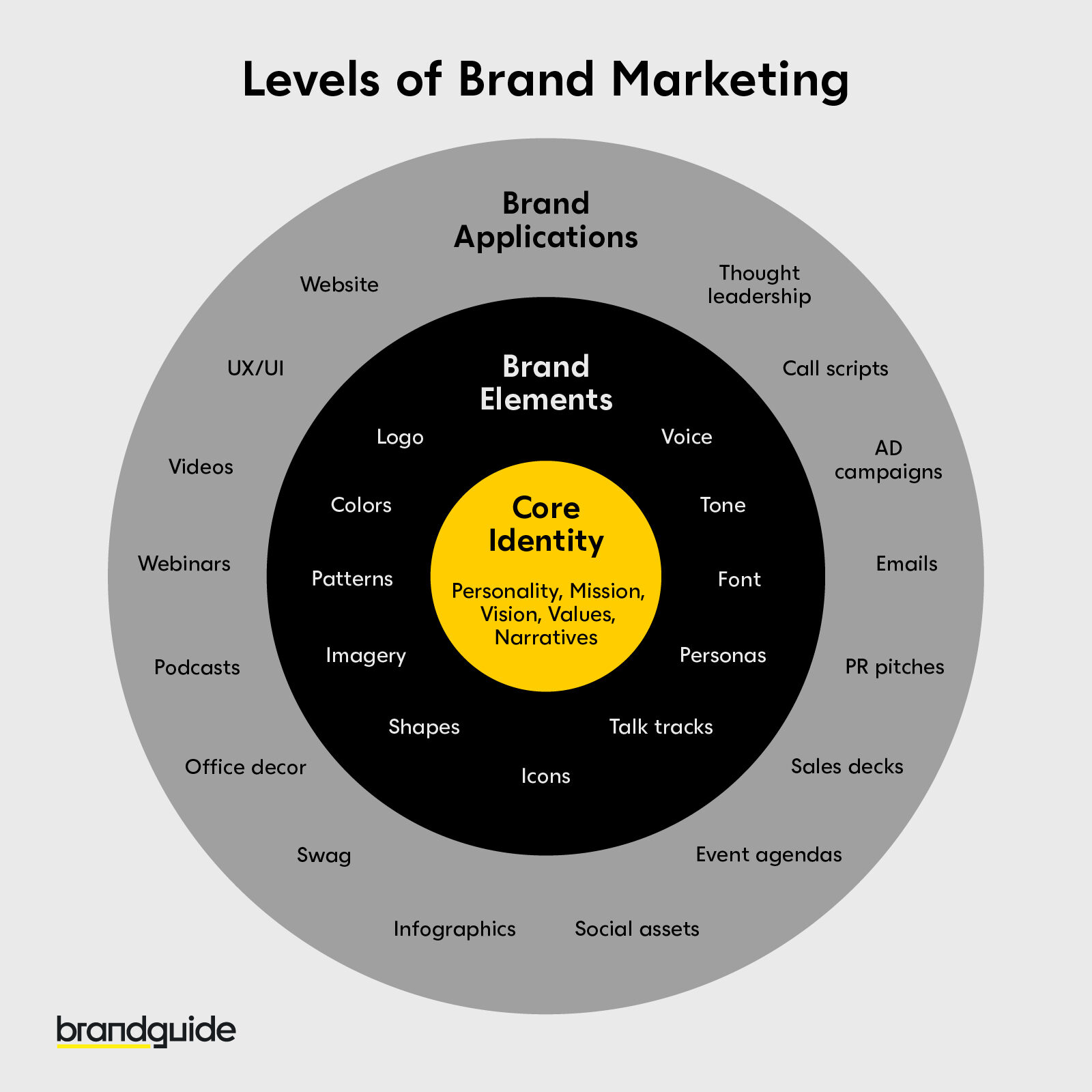
The Evolution of Branding
Let’s take a little trip down memory lane. In the early days, advertising was very much a one-size-fits-all broadcast of product features, with little regard for the personal touch. Over time, however, marketers started realizing that successful brands are not just built on what’s sold, but also on how they make you feel.
The Changing Landscape
What used to be a focus solely on the product has morphed into an emphasis on storytelling. Today, brand marketing leverages narrative to transform a simple product into an experience or even a lifestyle. Whether you’re scrolling through social media, catching a TV ad, or reading a blog post, you’re looking for that human connection—a little spark that makes everything feel a bit more personal.
Why Branding Matters
Think about the last time a brand really made an impression on you. Chances are, it wasn’t just the item itself that won you over but the promise of quality, trust, or even a sense of belonging. That’s the power of branding. A strong brand:
- Builds trust and credibility
- Fosters customer loyalty
- Gives you a competitive edge
- Can even influence pricing, as consumers are often willing to pay more for a brand they believe in
In fact, studies have shown that emotionally connected customers are more than twice as valuable over time than their transactional counterparts .
Key Components of Brand Marketing
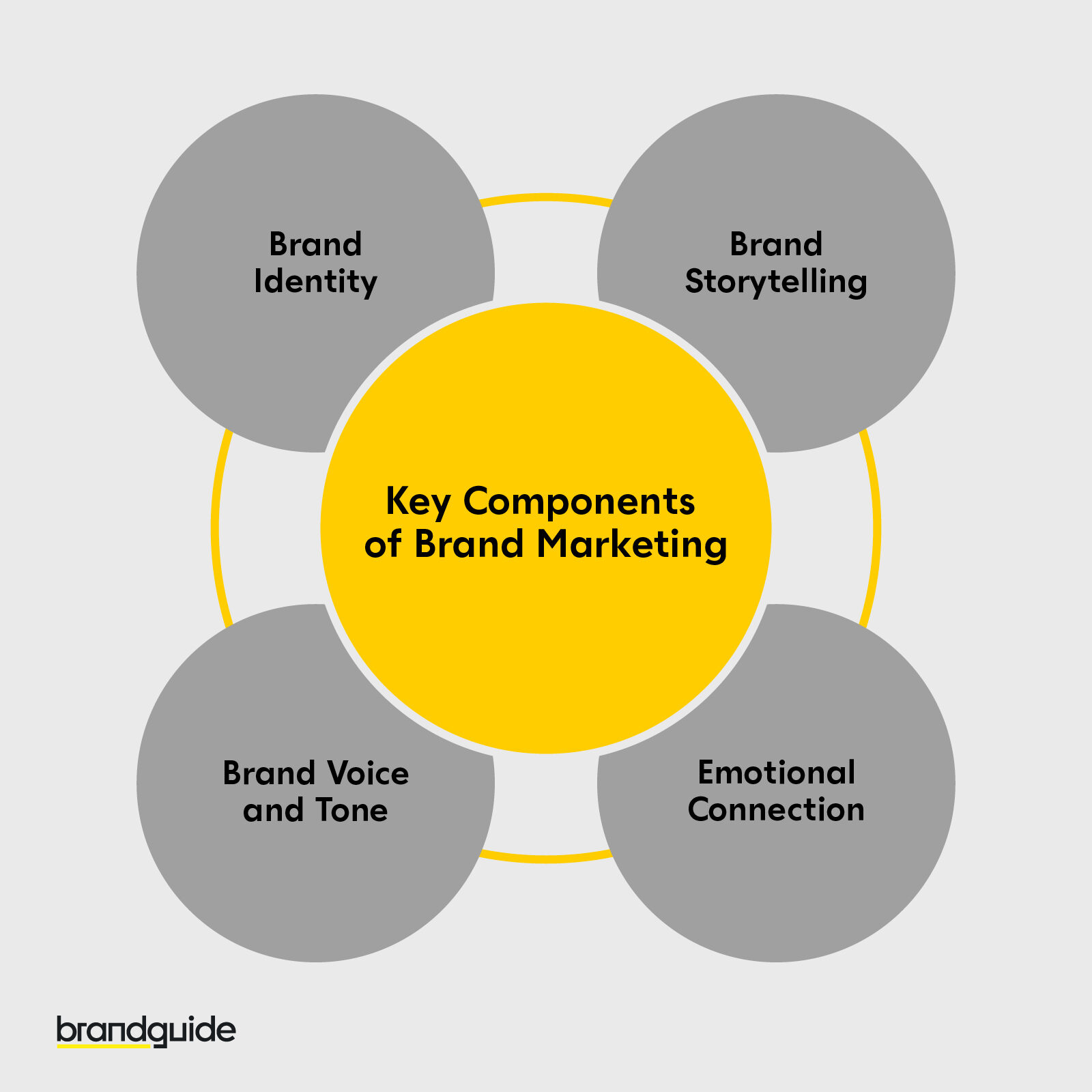
To understand brand marketing thoroughly, let’s break down its essential components:
Brand Identity
At its core, brand identity is the unique fingerprint of your business. It covers everything from your brand name and logo to your visual style and overall personality. This identity is what makes you stand out on a crowded shelf, both literally and metaphorically.
Brand Voice and Tone
Ever listened to your favorite friend and found their storytelling so distinctive? That’s what your brand voice should be like—authentic, consistent, and uniquely yours. Whether you’re speaking in a formal tone or using casual language, your tone should reflect your core values and resonate with your audience.
Brand Storytelling
Stories stick with us. This is why narrative is a powerful tool in brand marketing. When you share a compelling story about why your brand exists or how it evolved, you invite your audience into your world. It’s the narrative that bridges the gap between facts and feelings.
Emotional Connection
Brand marketing thrives on creating an emotional bond. When customers feel understood and valued, they’re more likely to stick around. That emotion can come through in every interaction—a thoughtful tweet, a well-crafted email, or a memorable advertisement.
Brand Marketing vs. Traditional Marketing
It might seem like brand marketing and traditional marketing are two sides of the same coin. After all, both aim to get customers interested, right? Not quite.
Differences
Traditional marketing often zeroes in on immediate action. It’s more about one-shot ads and quick conversions—sell, sell, sell! On the other hand, brand marketing is a marathon. It’s about nurturing a long-term relationship where the focus is less on the immediate sale and more on building trust, loyalty, and shared values over time.
Similarities
Despite these differences, both types of marketing strive for one goal: customer engagement. They both employ similar tools and channels, like digital media or direct customer interaction, but brand marketing layers these tactics with an ongoing narrative that goes much deeper than the surface.
What is Visual Branding?
If brand marketing is the “heart” of your brand, then visual branding is its “face.” Visual branding encompasses every visual element of your brand—from your logo and color palette to the typography and imagery that define your public persona.
Definition and Scope
Visual branding is not just about looking pretty. It’s a strategic tool that communicates who you are, what you value, and what your customers can expect. It’s the first impression and, as the saying goes, you never get a second chance to make a first impression.
Core Elements
- Logo: The emblem that encapsulates your brand’s essence in one simple symbol. It’s not just a picture; it’s a statement.
- Color Palettes & Typography: Each hue and font choice conveys subtle messages. Colors evoke emotions (think of the calm blue of a trustworthy brand), while typography can indicate modernity or tradition.
- Imagery and Layout: High-quality images and thoughtfully arranged designs help tell your brand’s story without a single word.
The Intersection: How Brand Marketing Connects to Visual Branding
So how do these two pillars of branding interact? Picture brand marketing as the backstory of your favorite movie, and visual branding as the stunning opening shot that captures your attention immediately.
Consistency is Key
A brand’s message must echo through every visual element. Whether it’s a business card or a social media post, maintaining consistency reinforces what your brand stands for. This unity builds recognition and trust—after all, you wouldn’t want to be confused by mixed signals, right?
Visual Storytelling
While words give context, visuals solidify the narrative. A well-designed visual element, such as an unforgettable logo or a distinct color scheme, can instantly convey the emotion and message behind your brand story. It’s like instantly recognizing a friend from across a crowded room—those visual cues stick.
Emotional Resonance
Every visual detail, from the curve of a font to the subtleties in a photograph, plays on our subconscious to evoke feelings. Visual branding is the unsung hero of modern brand marketing, working quietly behind the scenes to trigger emotional connections. When done right, it’s no wonder that brands we trust often have a consistent and compelling visual identity .
Real-World Examples
Think about the iconic brands you know—Apple, Nike, Coca-Cola. Each of these companies has harnessed the power of both brand marketing and visual branding to create a lasting impression. From Apple’s minimalist design to Nike’s “Just Do It” attitude, the combination of narrative and visual identity cements their place in our minds.
Building a Strong Brand from the Ground Up
Creating a memorable brand doesn’t happen by accident; it’s a process of research, analysis, and iteration. Here’s how you can get started:
Research & Positioning
First and foremost, understand your market. What does your audience need? What niche can you fill better than anyone else? The more you know about your target demographic, the more accurately you can position your brand within their lives.
Audience Analysis
Your brand should feel like it was tailor-made for your audience. This means getting to know not just their demographics, but also their wants, needs, and even their quirks. a deep understanding allows you to craft a brand message that speaks their language, making them feel truly seen and understood.
Developing Your Messaging
Your messaging is the voice of your brand. It should be as unique as you are and resonate on an emotional level. Think of it as the common thread that ties together all aspects of your brand—from your website to your social media presence and visual identity. Consistency here is crucial; it’s what tells your customers that your message isn’t just a fleeting thought but a core value.
Bringing It All Together
Once you have your research, audience analysis, and messaging in place, the final task is to integrate everything. Every touchpoint your customer experiences should feel like part of a larger, unified story. And remember, while it might seem daunting at first, every big brand started small with a single, clear idea.
Tools and Techniques for Effective Brand Marketing
In today’s digital age, there’s no shortage of resources to help you shape your brand. Let’s look at a few key tools and techniques that professionals swear by:
Digital Tools
From design software to project management platforms, digital tools are essential in modern brand marketing. For instance, graphic design software helps create stunning visuals, while social media platforms enable you to share your story far and wide. Familiar names in the industry include Adobe Creative Suite for design and platforms like Buffer or Hootsuite for managing social campaigns.
Analytics and Measurement
You can’t improve what you don’t measure. By tracking your brand’s performance with simple metrics—like engagement rates, website visits, and conversion tracking—you gain invaluable insights into what’s working and what isn’t. Small tweaks can lead to big improvements over time.
Integrative Strategies
It all comes down to a holistic approach. Rather than seeing content, design, and marketing as separate silos, see them as parts of a single, interconnected system. When every element of your brand communicates the same core message, the impact is far greater than the sum of its parts.
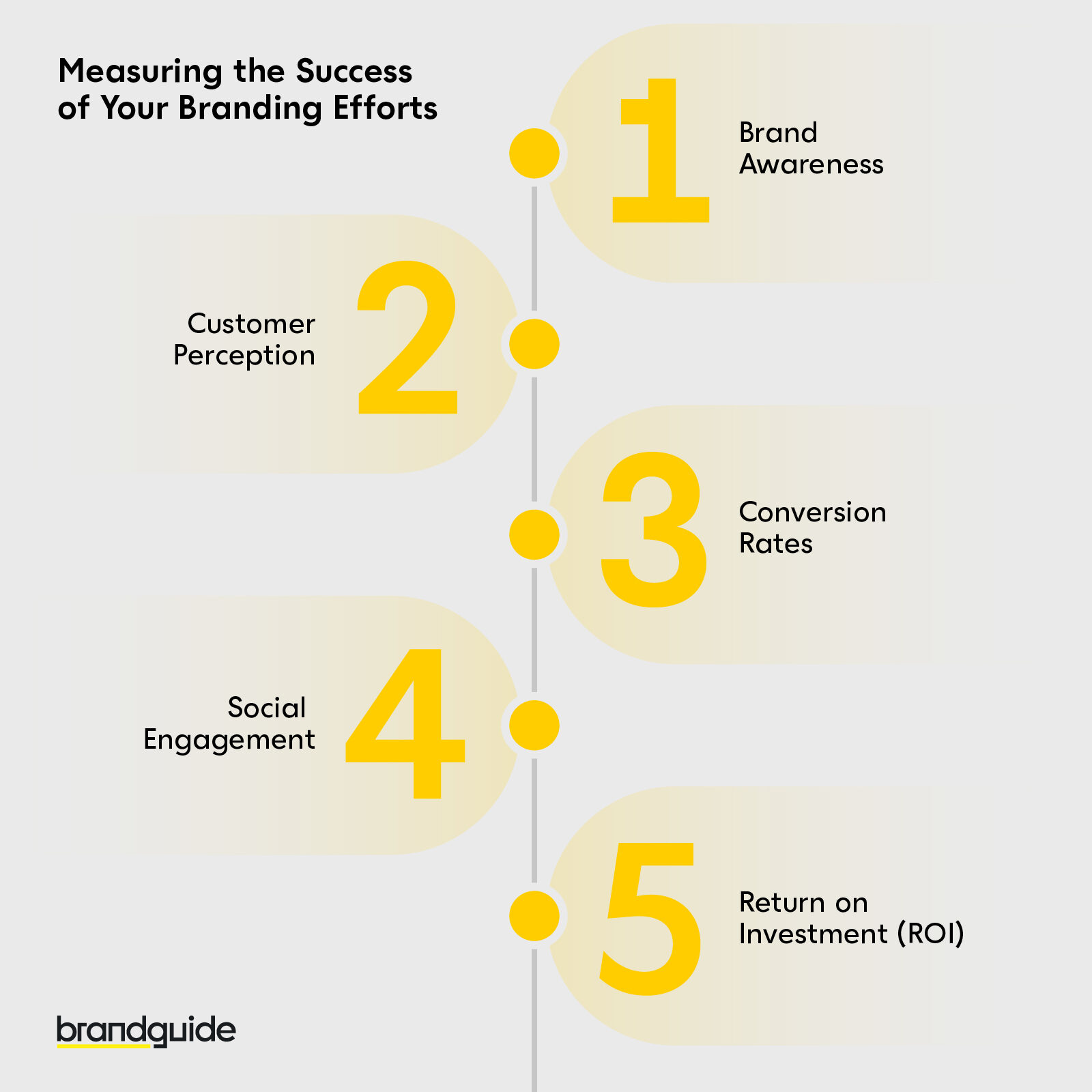
Measuring the Impact of Your Branding Efforts
Branding isn’t a set-it-and-forget-it deal. Continuous measurement and adjustment are key to long-term success. Here’s how to keep tabs on your progress:
Key Performance Indicators (KPIs)
Keep an eye on metrics such as brand awareness, customer engagement, and sentiment analysis. These KPIs offer a tangible way to gauge how well your branding efforts are resonating with your audience.
Return on Investment (ROI)
While brand marketing may not yield immediate sales, its influence on customer loyalty and lifetime value can be significant. Over time, a thoughtful, consistent brand strategy often leads to higher ROI. Tracking this impact helps justify continued investment in your brand’s development.
Continuous Improvement
Feedback is your friend. Whether through surveys, focus groups, or social media listening, understanding customer reactions can guide your brand evolution. Remember, the goal isn’t perfection from the start but growth and adaptation.
Case Studies and Real-Life Examples
There’s nothing quite like seeing theory in action. Let’s explore a couple of examples:
Success Stories
- Apple: Known for its minimalist design and clear brand narrative, Apple has built a loyal customer base that identifies not just with its products but with a whole lifestyle and philosophy.
- Nike: Their combination of powerful storytelling and distinct visual branding has turned Nike into more than just a sports brand—it’s an emblem of determination and excellence.
Lessons from Failure
Not every brand gets it right on the first try. Some companies struggle with inconsistent messaging or weak visual identities, leading to a confused audience and diminished trust. These missteps serve as valuable lessons for anyone embarking on the branding journey.
Conclusion & Next Steps
Brand marketing isn’t merely a buzzword—it’s the lifeline of every memorable business. By combining a deeply researched brand narrative with a distinctive, consistently applied visual identity, you create an experience that resonates on both emotional and rational levels. Whether you’re a startup founder or a seasoned business owner, remember that every interaction counts.
Take a moment to reflect: Does your brand tell your story in a way that sparks a connection? How can you fine-tune your visuals to match the promise of your message? Let these questions guide your next steps, and don’t be afraid to experiment and adapt. After all, building a brand is a journey—sometimes unpredictable, always rewarding.
Now that you have a roadmap and some real-world inspiration, it’s time to get to work. Share your thoughts in the comments and let us know how you’re planning to refresh your brand narrative. Here’s to creating brands that truly make a mark!