



The Heart of Branding
Branding is like the DNA of your business. It tells your story, builds trust, and creates lasting emotional connections with your customer base. When you speak of brand identity and positioning development, consider it as sharing your unique story through consistent messaging and savvy marketing channels. Think about it: every interaction—whether a print ad in an Offline Branding campaign or an engaging social media post—shapes a distinct identity that customers appreciate.
💡
Historically, branding has evolved from basic logos to full-blown experiences that combine design and marketing materials crafted to resonate with both potential customers and loyal customers.
Whether you’re devising corporate branding strategies for startups or refining your digital presence with strong digital marketing skills, your brand remains the promise you make to your customers at every touch.
1. Corporate Branding: The Big Picture
What is Corporate Branding?
Corporate branding is the art of presenting your company as a united, cohesive whole. It’s about establishing a strong brand identity that reflects your company’s values, mission, and corporate identity in every piece of communication, from boardroom presentations to print ads. Picture a corporation that melds a polished visual identity with clear, reliable messaging.
How To Nail It
For those exploring corporate branding strategies for startups, begin by clearly outlining your vision and values. Consistency in your marketing materials and on every channel is key. A compelling corporate narrative, built on a master brand identity, sets the stage for improved business performance and a competitive edge in diverse markets.
This is like painting a mural that tells your company’s history and aspirations—each stroke adds to the bigger picture.

2. Personal Branding: Being the Human Face
What is Personal Branding?
Personal branding isn’t just for celebrities. It’s for every entrepreneur aiming to showcase their unique abilities. Your personal story is an inspiring story that helps you connect with customers on a more human level. If you’re building a personal brand, think about crafting a personal story that feels genuine, mixing professional jargon with heartfelt anecdotes.
How To Nail It
For those focusing on personal branding and personal brand development for entrepreneurs, be authentic. Share your wins, and also don’t shy away from your setbacks—after all, inspiring stories often emerge from overcoming challenges. Let your messaging strategy reflect who you truly are, ensuring that your marketing communications and social media presence create a clear channel for connection with customers. Use this human touch to attract a dedicated customer avatar that sees you as a relatable, trustworthy figure.
3. Product Branding: Celebrating the Unique
What is Product Branding?
Product branding zeroes in on a particular item or range of products. It’s all about standing out on the shelf and in the minds of customers through strategic product design and creative digital design. Imagine your product as a finely crafted piece, where every detail—from the packaging to the distinct identity of its label—tells a unique story.
How To Nail It
Focus on effective product branding techniques by highlighting those unique features that set your product apart. Use bold design elements and clear labels. Balance the technical details with a compelling messaging strategy that explains why your product isn’t just functional, but also a visually appealing work of art. These efforts not only attract potential customers but also bolster your overall marketing impact.
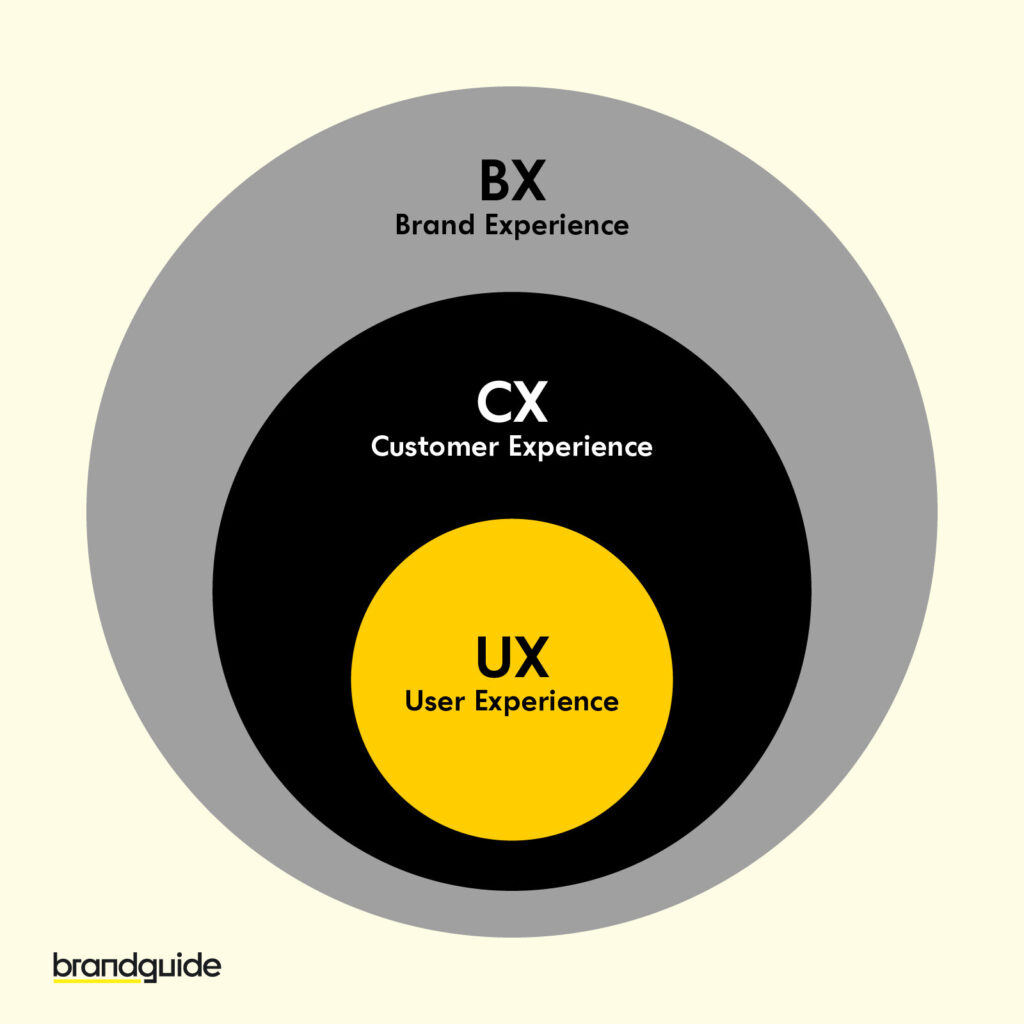
4. Service Branding: Making Experience Memorable
What is Service Branding?
Service branding focuses on the experience for customers more than the physical product. It’s about the human touch—a warm smile, a helpful conversation, and the genuine customer feedback that builds trust.
Think about that favorite neighborhood coffee shop where every customer interaction feels personal and welcoming.
How To Nail It
Implement service branding by training your team to ensure every customer interaction is memorable. Enhance the experience through attentive support and engaging messaging that addresses customer needs directly. Highlight that your commitment to a satisfying experience for customers isn’t just a slogan—it’s a key channel in your marketing plan aimed at building lasting customer loyalty.
5. Co-Branding: Strength in Numbers
What is Co-Branding?
Co-branding involves pairing two or more brands to create a collaborative product or campaign that multiplies the strengths of the individual brands. Think of it as a duet where each partner contributes its signature style—from unique design elements to distinctive messaging—to enrich the overall narrative.
How To Nail It
For successful co-branding partnership efforts, choose partners whose brand identity and core values resonate with yours. Joint campaigns not only enhance your marketing reach but also create a robust channel that attracts both existing and potential customers. This kind of collaborative approach can significantly boost your market share, giving you a leg up in competitive markets.
6. Digital Branding: Winning Online Hearts
What is Digital Branding?
Digital branding shapes your online presence, influencing everything from your website’s digital design to your social media presence. In the digital space, being consistent and engaging is as crucial as any offline marketing campaign. It’s like curating an online home that makes customers feel an immediate, genuine connection.
How To Nail It
Employ digital branding tactics by crafting engaging content and leveraging your digital presence across all platforms. Strong digital marketing skills come into play when creating targeted campaigns that speak directly to your target market. Keep your messaging clear and consistent, ensuring that every post or online ad contributes to a cohesive brand identity that drives home your marketing message and connects with potential customers.
7. Ingredient Branding: The Magic Within
What is Ingredient Branding?
Ingredient branding involves highlighting a key component of your product—be it a unique ingredient or an innovative technology. Think of a renowned food brand that promotes its secret sauce or a gadget company that touts its state-of-the-art component.
This tactic boosts your distinct identity by adding another layer to your story.
How To Nail It
By focusing on ingredient branding examples in consumer goods, you can elevate your overall product narrative. Emphasize quality and the expertise behind each component, weaving this detail into your broader messaging strategy. It’s all about letting customers know that every carefully selected component adds to a robust, cohesive brand identity.
8. Employer Branding: Attracting the A-Team
What is Employer Branding?
Employer branding is how you position your business as an attractive workplace, showcasing the corporate branding from an internal perspective.
💡
A great employer brand tells a story of innovation and respect that goes beyond marketing materials, drawing talented professionals who are eager to contribute to a thriving business culture.
How To Nail It
Showcase your business’s unique culture through employee testimonials, compelling career pages, and candid snapshots of your team’s daily hustle. A strong employer branding approach is all about building a recognizable identity that attracts a wide customer base—or, in this case, a top-notch employee avatar. Highlighting genuine customer feedback from within your company can reinforce the strength of your visual identity and help form lasting bonds with both employees and customers.
9. Cultural Branding: Speaking the Language of the People
What is Cultural Branding?
Cultural branding connects your business to the prevailing trends, values, and lifestyles of your audience. It’s where your branding meets the pulse of society, crafting a narrative that resonates with people on an emotional level. This strategy often involves creating content that builds deep emotional connections with customers, reflecting common experiences and shared values.
How To Nail It
For a robust cultural branding strategy, stay alert to changes in popular culture, collaborate with influencers, and develop campaigns that become conversation starters. Use your platform as a channel to echo the real-world experiences of your customers, ensuring that your messaging and marketing efforts align closely with societal values.
Whether it’s through inspiring stories or thoughtful messaging, your brand can quickly become a cultural icon.
10. Luxury Branding: The Art of Exclusivity
What is Luxury Branding?
Luxury branding creates an aura of exclusivity and superior quality that transforms an ordinary product into an object of desire. Think of high-end product design—every detail meticulously refined, every element of the visual identity echoing elegance and sophistication. Luxury branding is about crafting that coveted, recognizable identity that embodies excellence.
How To Nail It
When setting your sights on luxury branding, focus on quality, exclusivity, and impeccable design. Ensure your marketing campaigns—whether through print ads or exclusive online showcases—exude a strong, unified narrative. A refined messaging strategy can make your products stand out in a competitive market, highlighting your edge over other luxury brands and ensuring market success even in the most crowded markets.
11. Global Branding: Reaching Beyond Borders
What is Global Branding?
Global branding means tailoring your message so that it resonates with diverse audiences across different geographic regions. It’s about maintaining a consistent identity, even when your products or services need to adapt to various cultural nuances. This approach strengthens your brand’s online presence and establishes a solid footprint in international markets.
How To Nail It
Adopt a global branding approach by blending uniformity with localized strategies. Use regional insights to adjust your messaging subtly without compromising your core brand identity, ensuring your offerings reach your target market effectively. Your focus should be on both the digital and Offline Branding channels, allowing you to build a master brand that thrives despite a crowded market, ultimately boosting your market share.
12. Place Branding: Home Is Where the Heart Is
What is Place Branding?
Place branding is all about promoting a specific location—whether a city, region, or even a retail space—as a destination worth experiencing. It’s the art of painting a distinct identity for a region that influences how people perceive its value. In terms of geographical branding, this involves a narrative that connects local history with modern aspirations.
How To Nail It
Study successful place branding campaigns and blend them with local charm. By focusing on the unique design elements and cultural heritage of the area, you can create a story that resonates with both residents and visitors alike.
💡
Highlight regional specialties, add intriguing messaging details, and consider using traditional print ads alongside digital initiatives to capture the spirit of your locale.
13. Sustainability Branding: Green and Genuine
What is Sustainability Branding?
Sustainability branding involves showcasing your business’s commitment to ethical practices and environmental responsibility. It’s a promise to your customers that every step you take—whether in product design or messaging—is designed to foster both quality and a healthier world.
How To Nail It
For businesses focusing on sustainability, communicate transparently about every effort—from cutting down waste to using green resources. Your commitment should be evident in every marketing campaign, ensuring that your messaging strategy resonates with potential customers and loyal customers alike.
This kind of branding not only supports customer loyalty but also sets your business apart in competitive markets.
14. Social Media Branding: Conversations That Stick
What is Social Media Branding?
Social media branding is about cultivating an online voice that is both engaging and consistent. It creates a channel where conversation flows naturally, giving your customer interactions a human face. Whether it’s through carefully crafted messaging or visually appealing digital posts, social media branding becomes the heartbeat of your online presence.
How To Nail It
Invest in a dynamic social media strategy that balances timely updates with a well-planned content calendar. Emphasize clear messaging that resonates with your customer base, and use analytics to refine your approach. For businesses targeting younger demographics, TikTok branding has become essential for authentic engagement and viral reach. Your efforts will contribute to a strong digital presence and a social media presence that consistently speaks to your target market, reinforcing both customer loyalty and brand recognition.
Stitching It All Together
You know what? When you combine these methods, you craft a brand that’s as multifaceted as the markets you serve. Whether you’re bolstering a robust corporate identity with strategic marketing or mixing personal branding with a touch of Offline Branding through print ads, each layer adds depth to your overall strategy. By carefully balancing messaging, design, and relatable story elements, you create a cohesive brand narrative that resonates with potential customers—and turns them into loyal customers.
💡
Experiment with these approaches. Merge corporate storytelling with casual, genuine interactions and let your distinct identity shine across channels. Constantly seek customer feedback and fine-tune your marketing efforts to maintain that competitive edge in crowded markets.
Wrapping Up
In our exploration of 14 types of branding, we’ve seen how each strategy plays a vital role in creating an impressive, multi-dimensional identity. To recap:
- Corporate and Personal Branding: How a strong <strong>corporate identity combined with an authentic personal story can foster lasting emotional connections.
- Product, Service, and Retail Branding: Turning every customer interaction into an experience that strengthens visual identity and boosts customer loyalty.
- Co-Branding, Digital Branding, and Social Media Branding: Harnessing collaboration and online channels to enhance your marketing reach.
- Ingredient, Employer, and Cultural Branding: Crafting a messaging strategy that highlights unique strengths, resonates culturally, and improves customer interactions.
- Luxury, Global, Place, Sustainability, and Offline Branding: Creating a distinct identity that not only appeals on a local level—through geographical branding—but also expands your reach across diverse markets.
Now that you have these ideas in your arsenal, why not give your branding a fresh twist? Start small, experiment with combinations, and evolve your story to truly connect with your target market and boost your competitive edge. Remember, this isn’t just theory—it’s your chance to shape an identity that stands out in every channel of your marketing efforts.
If you enjoyed this deep dive and found these insights helpful, drop a comment or share your own experiences. Your unique journey might just inspire the next wave of innovative branding!