



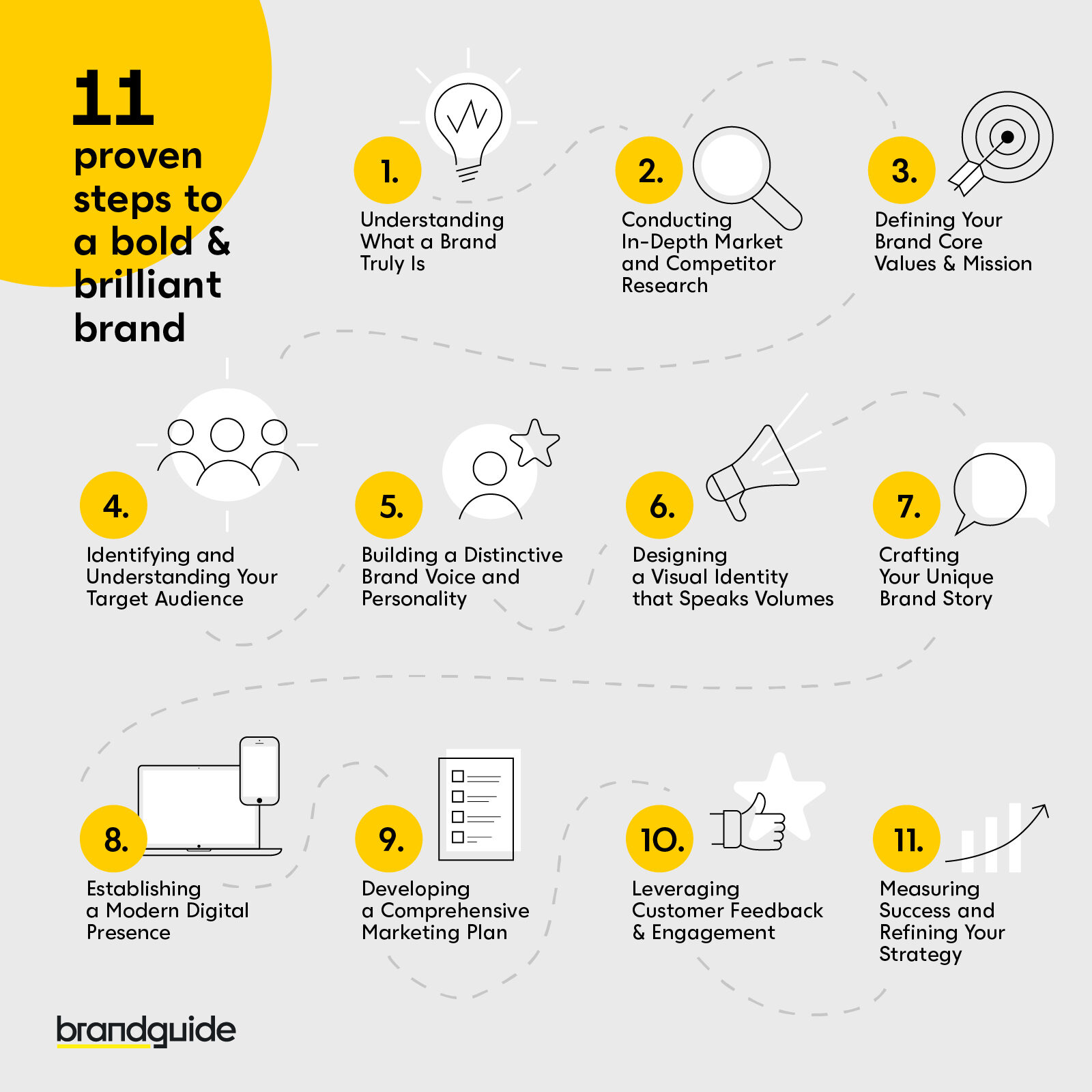
Quick Overview of 11 Steps on How To Create a Brand
| Step | How to Do It |
|---|---|
| 1. Understanding What a Brand Truly Is | Recognize that a brand is the sum of customer perceptions and experiences shaped by every interaction with your business. |
| 2. Conducting In-Depth Market and Competitor Research | Analyze competitors and perform a SWOT analysis using traditional methods and digital tools to identify market gaps and opportunities. |
| 3. Defining Your Brand Core Values & Mission | Articulate what your brand stands for by outlining core values and drafting a succinct, inspiring mission statement that guides every decision. |
| 4. Identifying and Understanding Your Target Audience | Segment your audience with detailed personas using surveys and data to tailor your brand messaging and engagement strategies. |
| 5. Building a Distinctive Brand Voice and Personality | Develop a consistent tone and style that aligns with your brand values, ensuring every touchpoint—from social media to customer service—reflects your personality. |
| 6. Designing a Visual Identity that Speaks Volumes | Create a memorable logo, choose a compelling color palette, and select the right typography to craft an aesthetic that reinforces your brand’s story. |
| 7. Crafting Your Unique Brand Story | Weave a narrative that combines your history, challenges, and aspirations, creating an emotional connection with your audience. |
| 8. Establishing a Modern Digital Presence | Optimize your website and social media channels for usability and engagement, integrating SEO practices to boost your brand visibility online. |
| 9. Developing a Comprehensive Marketing Plan | Align your messaging and outreach across all channels with clear KPIs, ensuring that your strategy is measurable and continuously refined. |
| 10. Leveraging Customer Feedback & Engagement | Use feedback loops and customer engagement tools to listen to your audience, fostering a loyal community and adapting your approach based on their insights. |
| 11. Measuring Success and Refining Your Strategy | Monitor key performance metrics and continuously adjust your strategy, embracing a process of ongoing improvement to stay competitive in a dynamic market landscape. |
Step #1. Understanding What a Brand Truly Is
At its core, a brand is more than just a logo or a handful of colors—it encapsulates the emotions, experiences, and stories that shape customer perceptions. Think of your brand as a trusted friend: it leaves lasting impressions based not only on visual appeal but also on consistency in every interaction with your audience. In today’s crowded market, establishing a strong brand identity can differentiate you from competitors and foster a loyal customer base.
Step #2. Conducting In-Depth Market and Competitor Research
Before you sketch out your brand’s roadmap, it’s crucial to understand your current market landscape. Examine your competitors—see how they present their visual identity and key messaging—and identify gaps that your brand can uniquely fill.
Know Your Landscape
Begin by assessing:
- Competitor Analysis: Study what similar companies are doing. Pay attention to their logos, distinct brand voice, and the ways they engage customers.
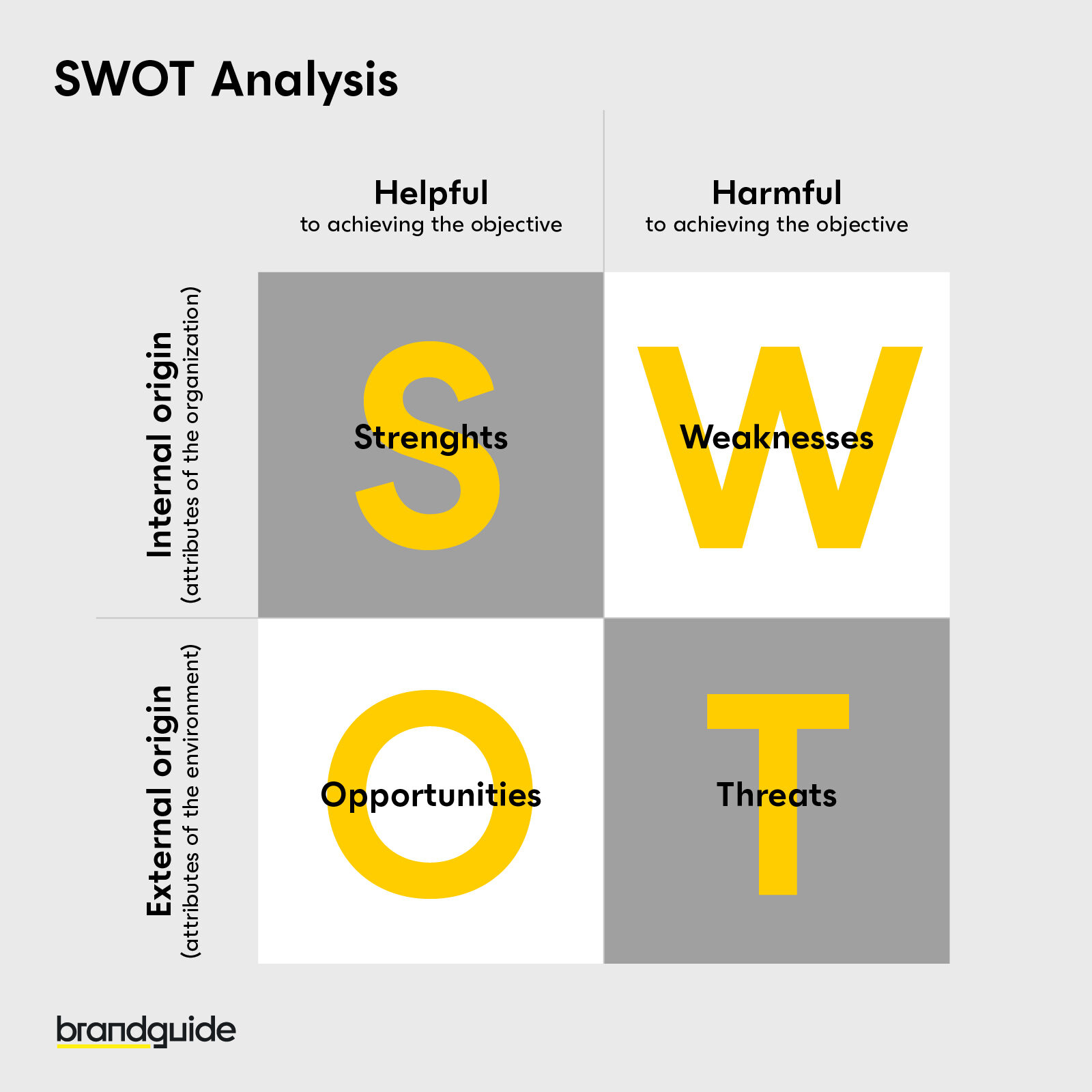
- SWOT Analysis: Identify your strengths, weaknesses, opportunities, and threats. Consider how your approach to marketing and design processes differentiates you from others.
Using both traditional research methods and digital tools (like trend analysis platforms), you can gather insights to develop a customer-centric branding process that is both innovative and grounded in solid data.
Step #3. Defining Your Brand Core Values & Mission
Now that you’ve surveyed the terrain, it’s time to articulate what your brand stands for. Your core values and mission are the compass that guides every decision, from crafting statements to selecting effective design elements.
Crafting a Value Proposition
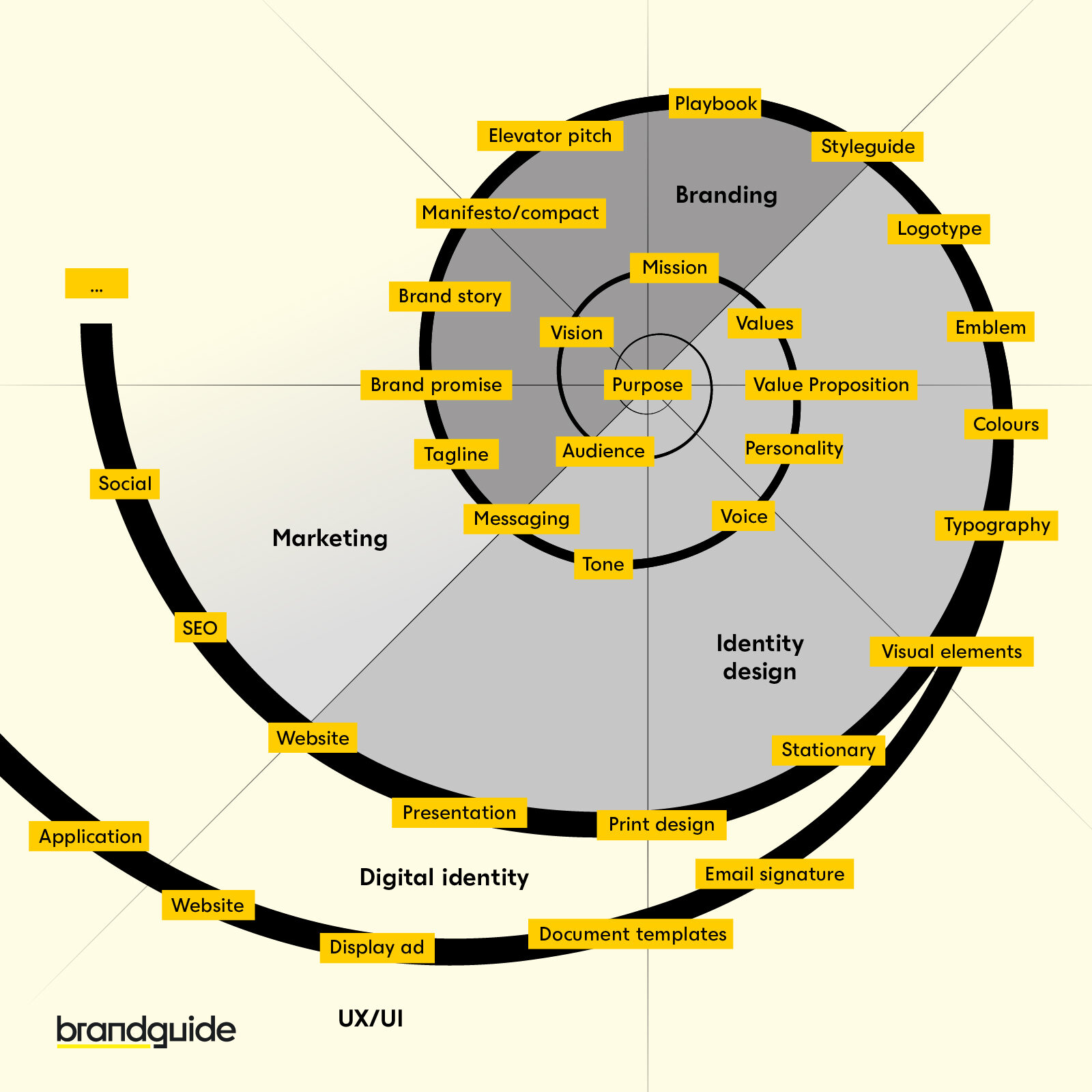
Reflect on what makes your company special. Whether it’s unrivaled customer service or a trailblazing approach to product development, your value proposition should speak to both tangible benefits and the emotional connection you want to establish with your audience.
Drafting a Mission Statement
Keep your mission statement succinct yet inspiring. It should serve as a beacon for both your team and your target market, outlining the exact process through which you plan to influence customers and leave a lasting impression in your competitive market landscape.
Step #4. Identifying and Understanding Your Target Audience
A thoughtful brand speaks directly to the people it hopes to reach. By understanding your target audience on a deeper level, you can tailor every facet of your branding—from messaging to visual aesthetics—to meet their needs and preferences.
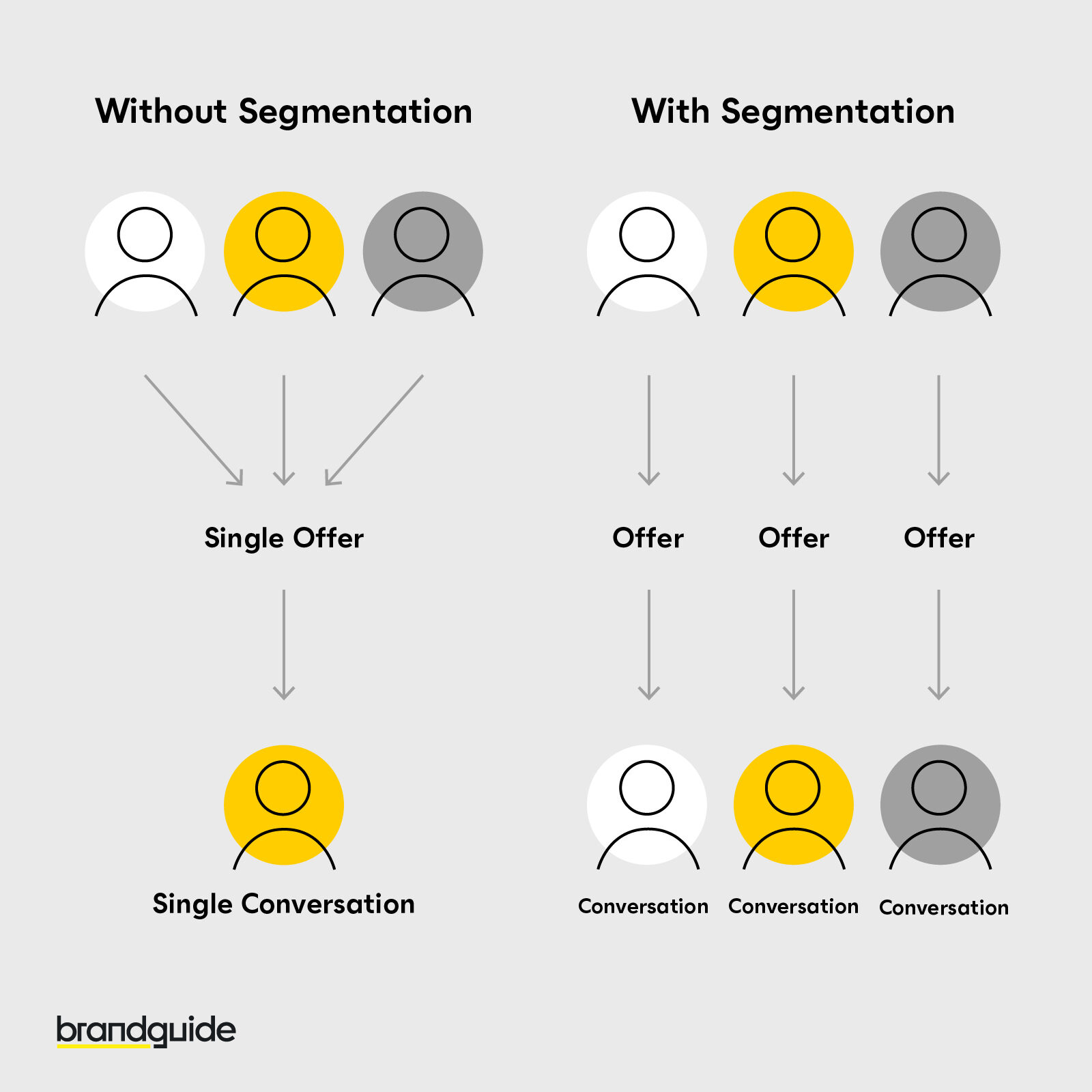
Audience Segmentation and Persona Development
Develop customer personas that capture the essence of your target customer. Whether you’re addressing a broad audience or a niche market, knowing who you’re talking to is crucial. Use surveys, customer interviews, and digital analytics to gather insights about demographic details and audience preferences. In this way, every marketing campaign becomes more focused and effective.
Step #5. Building a Distinctive Brand Voice and Personality
Imagine your brand’s voice as the unique signature that tells your story in every piece of content you produce. This isn’t just the language you use; it’s a blend of tone, rhythm, and style that makes your communication instantly recognizable.
Developing Your Brand Voice
Decide on a tone that mirrors your brand’s core values. Whether you lean towards a friendly, conversational style or a more refined, professional approach, consistency in your brand voice builds trust with your audience. Every blog post, email, or social media post should embody this voice, enhancing connections with both existing loyal customers and potential clients.
Consistency Across Touchpoints
Maintaining consistent messaging across every channel—from traditional marketing materials to dynamic digital content—solidifies your brand identity. When your voice is uniform and authentic, it nurtures the kind of customer engagement that drives repeat business and builds a memorable brand identity.
Step #6. Designing a Visual Identity that Speaks Volumes
Visual identity is often the first point of contact between you and your customers. A well-executed visual identity goes beyond basic design—it makes a statement about who you are. Here, the careful use of fonts, color palettes, and types of logos plays a pivotal role.
Creating a Logo and Selecting a Color Palette
Spend time refining your logo. Whether you lean towards a text-based logo or a combination logo, the design should reflect your brand’s personality and mission. Choose a color palette that not only looks attractive but also communicates specific emotional cues; consider the impact of both subtle accent colors and bold hues.
Integrating Visual Elements
Don’t forget the power of typography and graphic elements. Each visual component—from carefully chosen fonts to well-considered design elements—contributes to an overall aesthetic that resonates with your target audience. A cohesive visual identity reinforces your brand across every marketing material and digital platform.
Step #7. Crafting Your Unique Brand Story
Every brand has a story to tell—a journey filled with challenges, milestones, and moments of inspiration. Your brand story should not only recount your past but also set the stage for your future.
Storytelling Techniques to Connect with Your Customers
Introduce your narrative with authenticity. Explore the origins of your brand, detailing how your experiences—whether typical or extraordinary—shaped the evolution of your company. A well-told story can strike an emotional chord, building connections with both existing customers and potential new ones.
Step #8. Establishing a Modern Digital Presence
In an era dominated by digital channels, an effective online presence is paramount. Your website, social media profiles, and digital marketing strategies need to work in harmony to reinforce your brand’s identity.
Building an Effective Website and Social Media Strategy
Your website is often the first digital touchpoint; ensure it’s optimized for usability and mobile responsiveness. Likewise, carefully curated social media posts can amplify your message. Select platforms that best reflect your brand and consistently engage your audience with a blend of informative and appealing content. Incorporating SEO strategies, while ensuring your visual and written content remain authentic, can help your brand rise in a competitive market.
Step #9. Developing a Comprehensive Marketing Plan
After establishing your brand’s core identity, it’s time to plan your outreach with a well-rounded marketing strategy. This process involves aligning your messaging, visual identity, and customer engagement efforts.
Integrating Your Marketing Approach
Develop marketing materials that reflect your brand’s essence, whether through streamlined email marketing campaigns or attention-grabbing social media profiles. Craft audience-facing marketing campaigns that are not only creative but also measurable. Consistently monitor performance via KPIs such as web traffic and customer feedback to refine your process over time.
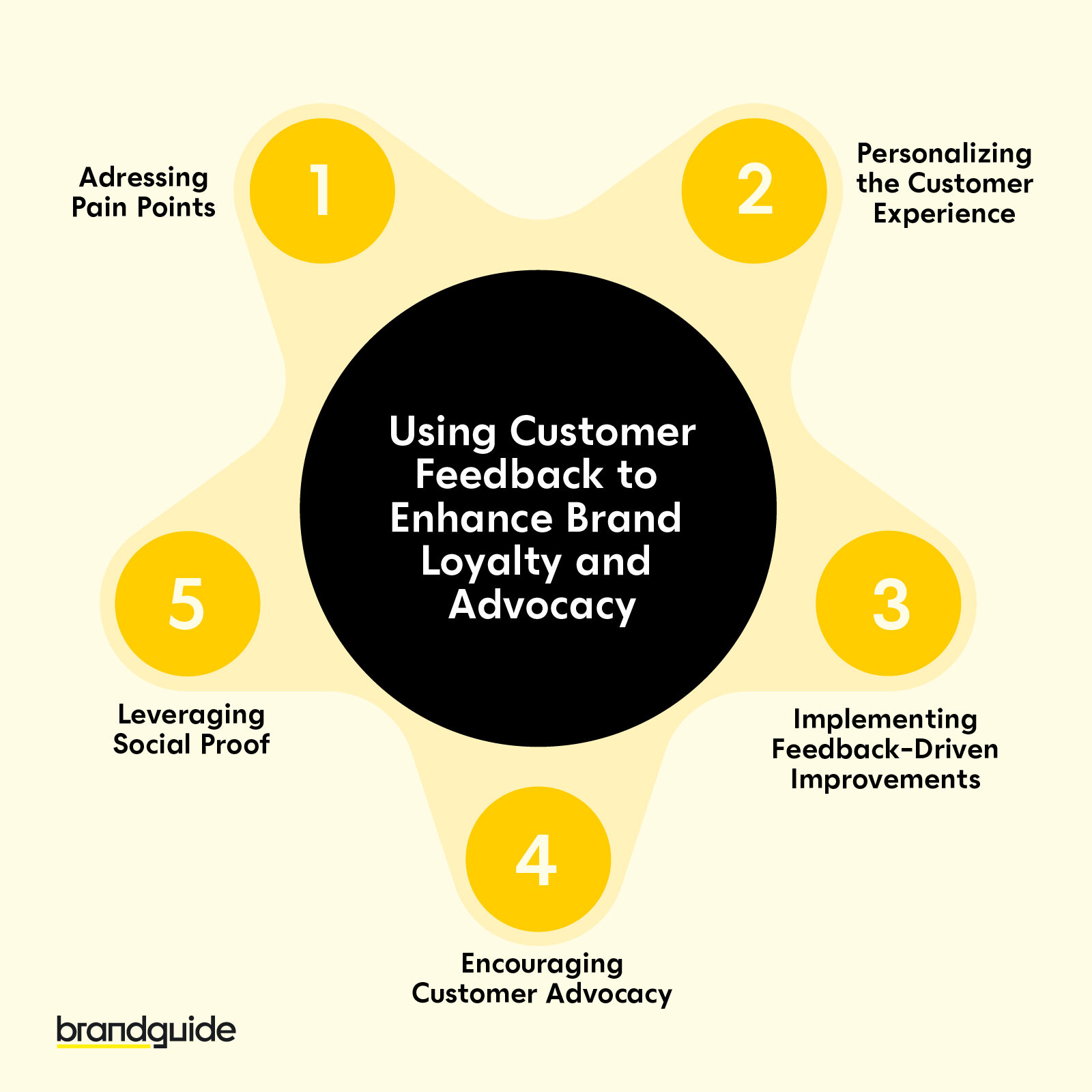
Step #10. Leveraging Customer Feedback & Engagement
Your customers are at the heart of your brand. Listening to their needs and experiences is essential for continuous growth and refinement.
Creating Meaningful Feedback Loops
Implement customer engagement tools that capture insights from every interaction—be it through surveys, reviews, or direct communication. This continuous process of feedback helps you understand how your brand is perceived and identifies opportunities for further connection.
Fostering a Loyal Customer Base
A robust customer base is built on genuine connections. Encourage dialogue and celebrate successes with your customers. These interactions not only nurture loyalty but also fuel the creation of a brand that truly resonates with current customer expectations.
Step #11. Measuring Success and Refining Your Strategy
The journey of branding is ongoing. Establishing a solid process for tracking success and making adjustments is key to keeping your brand competitive in a dynamic market.
Setting and Monitoring Key Performance Metrics
Deploy tools like website analytics, social media insights, and CRM software to measure the impact of your branding initiatives. Analyze elements such as customer engagement, conversion rates, and overall market reach. Use this data to inform refinements in your marketing strategy and design process.
Embracing Continuous Improvement
Branding is not a one-time process—it’s an ever-evolving art. Regularly assess market trends and customer feedback, and be ready to tweak your approach as needed. This continuous process ensures that your brand remains agile, resonating with both loyal customers and new prospects in an ever-changing market landscape.
Conclusion
Creating a brand is an exciting, multifaceted journey that marries creative vision with thoughtful strategy. Through these 11 steps, you now have a roadmap to build a compelling brand—from conducting insightful market research and defining your mission to crafting an unforgettable visual identity and engaging digital presence. With every step, remember that building a brand is a continuous process of evolution and refinement.
So, why wait? Dive into the process, connect authentically with your customers, and start building a strong brand that not only captures attention but also stands the test of time. Your future success is just around the corner!