



The Changing Face of Branding
When you think about branding, you might picture a glossy magazine ad or a perfectly curated Instagram feed. But the story goes way deeper than that. Over time, branding strategies have evolved to create richer experiences that appeal to both conscious consumers and the average consumer alike. Back in the day, a brand’s identity often rested on a few core elements; now, companies must consider how every aspect of their product, from colors and content to overall design, shapes customer perception.
You know what’s interesting? Traditional branding—think print campaigns and billboards—is still relevant, but today’s branding strategy leans heavily on digital experiences and consistent color combinations that reinforce a strong visual identity. In competitive markets, the ability to adapt your strategies while keeping customers connected is a real advantage.

The Pillars That Hold It All Together
Before getting into our detailed list of 22 examples, let’s chat about the basics of an effective brand strategy. Consider these pillars as the foundation upon which you build experiences that resonate with your audiences:
- Visual Consistency: Your visuals—logos, color codes, and design elements—form the backbone of your visual identity. A consistent color palette, including bold color schemes or primary colors like black, ensures that your brand remains recognizable.
- Targeted Messaging: Craft messages that speak directly to your target audience, addressing their needs while highlighting your company’s unique value. This approach not only improves consumer perception but also elevates your brand’s connection with its consumers.
- Authentic Storytelling: Every brand has a story. Sharing authentic stories that reveal the product’s journey can turn passive onlookers into dedicated fans.
- Audience Engagement: Engage your customers through interactive campaigns and user-generated content to foster community among consumers—because a brand that listens builds stronger customer loyalty.
Understanding the Spectrum of Branding
Let’s break down what creating a strong brand really involves. Branding isn’t just a checklist—it’s an evolving conversation with your customers that shapes the consumer’s overall experiences.
Crafting Your Visual Identity
Your visual identity is like your signature dish—it needs to be instantly recognizable and satisfying to the senses. Here are two key elements:
- Logo Design and Color Palette: Think of your logo as the face of your product. Use consistent color combinations and color meanings grounded in color psychology to establish an identity that appeals to consumers.
- Typography and Design Elements: The clever design elements you choose—fonts, shapes, and layout—should contribute to your company’s cohesive identity and elevate overall content quality.
Shaping Your Brand Voice
The tone of your messaging must resonate with your audiences. This is where your brand’s narrative meets its market.
- Crafting a Unique Tone: Your brand voice should be clear and approachable. Whether you’re formal or laid-back, it should reflect your brand’s personality and help shape customer loyalty.
- Consistency Across Platforms: Ensure that the content on your website, social media, and any other touchpoints speaks the same language. Consistency here is key for consumer perception and builds a strong association in consumers’ minds.
22 Inspiring Branding Strategy Examples
Now, for the fun part! Let’s take a closer look at 22 real-world branding strategy examples that have made a mark in their industries. These examples are full of actionable insights and practical advantages that every company can replicate to capture a target audience’s attention and establish a solid marketing strategy.

1. Nike: Just Do It Branding
Nike’s “Just Do It” isn’t merely a slogan—it’s an ethos that drives customers to push past limits. Their strategy centers on powerful, minimal messaging paired with high-impact visuals that resonate across diverse markets.
✨ What’s Unique:
- A concise message that reflects the brand’s connection with consumers and pushes a can-do attitude.
- Campaigns that strategically use a consistent color palette to amplify its presence.
Actionable Insights: - Develop a simple, memorable message for your product that serves as a call to action for your target audience.
- Use striking visuals and carefully chosen color combinations to enhance your brand’s visual identity.
2. Apple: Think Different Identity
Apple’s “Think Different” campaign champions innovation and creativity. It positions the company not just as a tech giant but as a movement that challenges the status quo.
✨ What’s Unique:
- Their design emphasizes simplicity and clean, elegant visuals that support quality products.
- Messaging that resonates deeply with audiences seeking a distinct and progressive experience.
Actionable Insights: - Prioritize simplicity in both design and language when crafting your marketing strategy.
- Emphasize differentiation by sharing stories that highlight how your product sets itself apart in its industry.
3. Coca-Cola: Timeless Consistency
Coca-Cola has demonstrated that consistency is key in building lasting consumer perception.
✨ What’s Unique:
- Reliance on iconic imagery, consistent color usage, and a visual identity that spans generations.
- Seamless integration of heritage with modern campaigns that maintain both nostalgia and freshness.
Actionable Insights: - Create a comprehensive brand strategy that maintains consistency across all content platforms.
- Use a stable visual identity and carefully selected color combinations to reinforce trust and community among consumers.

4. McDonald’s: I’m Lovin’ It Experience
McDonald’s turns each visit into a relatable experience through fun and familiar branding that touches upon the core product benefits.
✨ What’s Unique:
- Its branding leverages memorable jingles and a distinct visual identity that appeals to customers on an emotional level.
- Campaigns are designed to build connections with consumers, giving them a sense of comfort and belonging. Actionable Insights:
- Build a campaign that focuses on customer experience, using consistent color codes and creative design elements that reinforce your identity.
- Develop auditory and visual cues that foster community among consumers and heighten customer loyalty.
5. Airbnb: Belong Anywhere Narrative
Airbnb redefines travel by turning every stay into an intimate, localized experience.
✨ What’s Unique:
- It uses authentic storytelling to connect with audiences, highlighting genuine travel experiences and community among consumers.
- User-generated content reinforces its commitment to customer satisfaction and immersion in diverse cultures.
Actionable Insights: - Create brand-related content that features real stories from customers, enhancing your marketing strategy with relatable narratives.
- Utilize authentic visuals that celebrate diversity and resonate with your target audience.
6. Tesla: Disruptive Innovation
Tesla reimagines the automotive industry with a focus on cutting-edge product features and sustainability.
✨ What’s Unique:
- Its strategy marries futuristic technology with a commitment to sustainable practices, appealing strongly to conscious consumers.
- Uses bold visuals to drive home its reputation for innovation and performance. Actionable Insights:
- Highlight breakthrough product features and integrate innovative design elements to transform your industry’s consumer perception.
- Communicate a clear vision that demonstrates how your product and company are disrupting traditional markets.
7. Dove: Real Beauty Campaign
Dove shook up traditional beauty standards by celebrating natural beauty and challenging industry norms.
✨ What’s Unique:
- Authentic messaging that breaks away from scripted beauty norms, inviting real consumers into the conversation.
- Emphasizes the connection with consumers through genuine stories and realistic content. Actionable Insights:
- Center your campaign on authenticity by showcasing true stories that appeal to everyday consumers.
- Use visual elements and consistent color usage that reflect the brand’s commitment to inclusivity and authenticity.
8. Google: Simplicity and Functionality
Google’s branding centers on delivering a user-friendly experience through minimalist design and a focus on product functionality.
✨ What’s Unique:
- Clean, stripped-down visual identity that focuses on ease of use and clarity in content.
- Seamless integration of advanced technology without overwhelming the user. Actionable Insights:
- Simplify your design to highlight only the essential elements.
- Maintain consistency across products and content platforms to build trust with your customers.
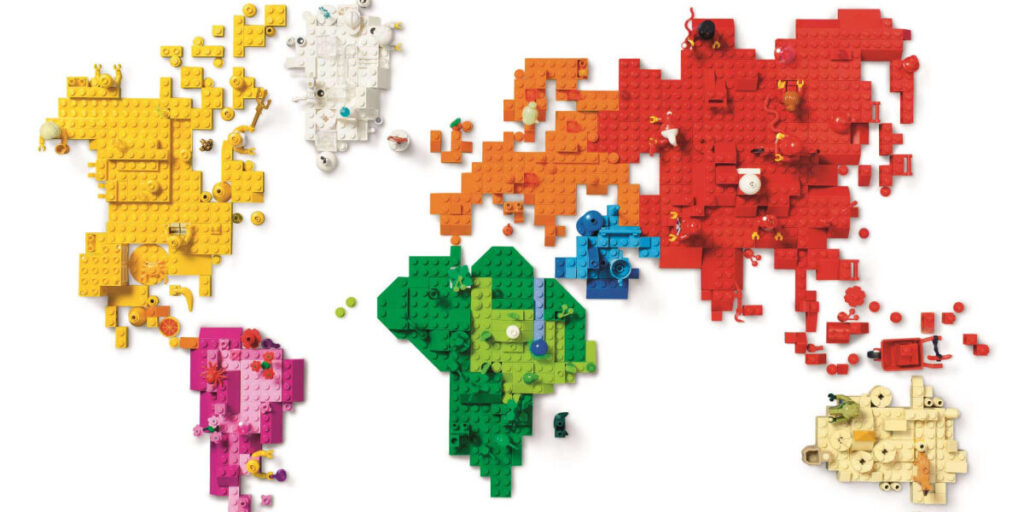
9. Lego: Creative Storytelling
Lego captivates audiences by fostering a world of creativity where everyone can build their own stories.
✨ What’s Unique:
- Uses imaginative play and engaging content to build deep connections with both children and adults.
- Leverages user-generated content in a vibrant community that celebrates creativity. Actionable Insights:
- Encourage user-generated content and audience experiments that highlight imaginative uses of your product.
- Develop creative campaigns that inspire your target audience to share their personal stories, building a community among consumers.
10. Starbucks: Experiential Branding
Starbucks goes beyond just selling coffee—it offers an environment that enriches the customer experience.
✨ What’s Unique:
- Creates a “third place” between home and work, where the ambience and design evoke comfort and connection.
- Uses consistent visual identity and carefully chosen color combinations to create memorable store experiences. Actionable Insights:
- Focus on creating physical or digital spaces that enhance customer experiences.
- Utilize elements like color psychology and subtle design accents to evoke a sense of belonging among consumers.
11. Patagonia: Purpose-Driven Authenticity
Patagonia stands out by aligning its brand with environmental causes and social responsibility.
✨ What’s Unique:
- Embeds its mission deeply into its product and marketing strategy, appealing to conscious consumers who value sustainability.
- Uses authentic, purpose-driven stories to build strong connections with customers. Actionable Insights:
- Incorporate stories that highlight your company’s commitment to a cause, enhancing consumer perception.
- Make your marketing strategy transparent by demonstrating tangible benefits for customers and society.

12. FedEx: Reliability and Trust
FedEx builds its reputation on the promise of dependable product delivery and a seamless service experience.
✨ What’s Unique:
- Leverages operational excellence and clear messaging to create strong consumer perception regarding its reliability.
- Uses straightforward branding elements to instill trust and ensure a consistent customer experience. Actionable Insights:
- Emphasize the reliability of your processes in your marketing strategy and share operational success metrics with potential customers.
- Adopt a clear, authoritative tone that reinforces your commitment to customer satisfaction.
13. Amazon: Customer-Centric Approach
Amazon’s success stems from a relentless focus on delivering value and convenience to its vast base of consumers.
✨ What’s Unique:
- Uses data-driven insights to fine-tune its business strategy, ensuring an effective brand strategy that continually meets customer needs.
- Prioritizes a frictionless shopping experience that builds lasting customer loyalty. Actionable Insights:
- Invest in customer analytics to refine your strategies and enhance your product experience.
- Use targeted messaging that speaks directly to your audiences and underlines the benefits for customers.
14. Spotify: Personalized Engagement
Spotify’s ability to offer personalized music experiences has redefined how content appeals to individual consumers.
✨ What’s Unique:
- Combines smart data insights with creative curation to generate a unique, personalized user experience.
- Leverages customer feedback to refine audience experiments, creating a strong sense of customer loyalty. Actionable Insights:
- Use personalization in your marketing strategy to create tailored experiences that resonate with your target audience.
- Continuously experiment with content and design elements to keep the product experience fresh and relevant.

15. Red Bull: Extreme Lifestyle Branding
Red Bull aligns its brand with extreme sports and high-energy events, forging a bold connection with its consumers.
✨ What’s Unique:
- Associates its product with thrilling, unforgettable experiences that directly challenge industry norms.
- Uses daring visuals and creative campaigns to energize and engage a vibrant community. Actionable Insights:
- Partner with events or influencers that echo your product’s energy to build an effective brand strategy.
- Incorporate high-impact visuals and bold content to generate excitement among your target audience.
16. BMW: Precision and Performance
BMW is known for its blend of luxury, engineering excellence, and sleek design that appeals to discerning consumers.
✨ What’s Unique:
- Balances performance with elegance, emphasizing product features through refined storytelling and sophisticated visual elements.
- Conveys quality through careful attention to detail and well-crafted marketing strategy. Actionable Insights:
- Emphasize technical details and product craftsmanship in your content, using refined visuals that signify a premium identity.
- Build campaigns that showcase how your product’s design and engineering advantages set you apart in your industry.
17. Disney: Magical Storytelling
Disney creates enchanting experiences by weaving magical stories that have a deep emotional appeal to consumers of all ages.
✨ What’s Unique:
- Constructs entire worlds through immersive content, ensuring that every visual element and storytelling cue resonates with the audience.
- Leverages nostalgia alongside innovative marketing strategy to keep consumers engaged. Actionable Insights:
- Develop captivating narratives that transport your target audience into an imaginative world.
- Use iconic design elements and consistent color usage to reinforce a memorable identity that connects with consumers.
18. Unilever: Sustainable Impact
Unilever’s branding strategy is built on integrating social and environmental considerations with quality product offerings.
✨ What’s Unique:
- Consistently promotes sustainability in its messaging, which builds awareness among consumers and drives customer loyalty.
- Balances profit with purpose, creating a comprehensive brand strategy that resonates with conscious consumers. Actionable Insights:
- Incorporate topics around environmental benefits and social responsibilities in your content.
- Demonstrate real impact through measurable outcomes and clear communication to cement consumer trust.
19. Microsoft: Empowering Innovation
Microsoft positions its product lineup as essential tools for empowerment and creativity, influencing the way consumers work and play.
✨ What’s Unique:
- Focuses on enabling users and customers through a blend of advanced technology and intuitive design.
- Regularly updates its business strategy and messaging to reflect evolving market trends. Actionable Insights:
- Position your product as a catalyst for change by highlighting its innovative features.
- Use narratives that showcase real-life examples of how your technology improves everyday experiences for your target audience.

20. Adidas: Sports Passion and Performance
Adidas merges performance with style, creating a marketing strategy that appeals broadly across the athletic and lifestyle markets.
✨ What’s Unique:
- Integrates product features with cultural touchpoints, using dynamic visual identity and compelling stories that boost connection with consumers.
- Balances style and function by consistently delivering quality products with an energetic, customer-focused message. Actionable Insights:
- Leverage sponsorships and interactive campaigns to build a connection with consumers that goes beyond product features.
- Use bold design elements and targeted content to appeal to both core athletic markets and a broader audience.
21. Pepsi: Youthful Rejuvenation
Pepsi refreshes its brand identity regularly, using lively design and pop culture references to stay ahead in a competitive market.
✨ What’s Unique:
- Emphasizes energy and innovation in its campaigns, maintaining relevance among a broad, youthful audience.
- Uses a mix of vibrant colors and dynamic visuals to create excitement and consumer awareness. Actionable Insights:
- Continuously update your content and visuals with fresh, pop culture-infused elements that reflect current trends.
- Maintain a consistent, engaging tone that connects with consumers and builds lasting loyalty.
22. Samsung: Technological Prowess
Samsung’s strategy showcases its advancements through sleek design and innovative product features, cementing a strong identity in the tech industry.
✨ What’s Unique:
- Focuses on modern aesthetics paired with breakthrough technology, ensuring that its visual identity and content leave a lasting impression on consumers.
- Balances comprehensive product lines with clear storytelling that drives consumer perception and engagement. Actionable Insights:
- Highlight your product’s advanced features through clear, impactful visuals and supportive content.
- Craft stories that stress both utility and style to reinforce how your company’s strategies benefit your target audience.
So, What Makes a Brand Strategy Tick?
Now that we’ve looked at these 22 inspiring examples, you might be wondering: what exactly sets these branding strategies apart? Let’s unwrap a few deeper insights.
Building Your Own Story
Think about it—brands like Apple and Airbnb succeed because their stories speak directly to their target audiences. Your brand’s story, told with the right mix of content and visual identity, helps shape consumer perception.
Remember, every element of your narrative, from consistent color usage to smart marketing strategy, plays a role in building a lasting connection with customers.
The Value of Consistency
Consistency isn’t just a buzzword; it’s what ensures that your messaging and visual identity remain memorable. Whether you’re working with key elements like color combinations or refining the overall consumer experience, keeping your product and brand-related content uniform builds trust and solidifies customer loyalty.
Engaging Authentically
No one likes a one-sided conversation. The best brands build genuine connections with their audiences, crafting campaigns that echo real experiences and resonate with consumers on a personal level. This is how you make your product stand out amid the competitive industry landscape.
Case Studies That Spark Insight
While our list of 22 examples gives you a snapshot, here are a couple of standout case studies that highlight proven strategies in action.
The Global Rebranding Journey
Consider a brand like Coca-Cola. Their enduring campaign is a masterclass in preserving a consistent identity while subtly refreshing their visual elements and messaging. It’s a classic example of successful brand strategy examples that build both trust and connection with consumers.
Niche Market Penetration
Look at Patagonia, which has tapped into niche markets by championing sustainability. Their purpose-driven approach has not only boosted their marketing strategy but also reinforced their benefits for customers in a way that challenges industry norms.
Taking Inspiration to Action
So, how do you translate these actionable insights into your own branding strategy? Here are some straightforward tips to get you rolling:
- Reflect on Your Identity: What makes your product unique? Identify your core elements—be it innovative color usage or unique content—and build a strategy that resonates with your target audience.
- Stay True to Your Core Values: Emphasize authenticity in every campaign and visual element, much like Dove’s real beauty narrative.
- Keep the Conversation Two-Way: Engage your customers actively through interactive platforms that promote connection, ensuring that every touchpoint strengthens consumer perception.
- Invest in a Strong Visual Identity: Maintain a consistent color palette and use deliberate design elements to ensure brand consistency across all media, boosting recognition and reducing confusion among customers.

Crafting Your Personal Branding Blueprint
Creating a cohesive branding blueprint can feel like charting unknown territory. Here’s a no-nonsense guide:
- Define Your Story: What’s the origin of your brand? Write your journey down, from the first idea to today’s product evolution.
- Map Out Your Visual Identity: Choose a logo, color combinations, and visual elements that resonate with your audiences.
- Find Your Voice: Decide on the tone of your content—be it friendly, professional, or somewhere in between.
- Plan Your Customer Interactions: Outline how you’ll build experiences that engage both potential customers and loyal clients.
- Test and Tweak: Regularly review customer feedback and adjust your marketing strategy accordingly.
Measuring What Matters
Tracking success in branding is like managing a strategic campaign—it’s about understanding what moves your customers. Focus on these key areas:
- Engagement Metrics: Monitor audience reactions, digital content interactions, and overall sentiment.
- Brand Recall: Evaluate how strong the association in consumers is with your visual identity and campaign messaging.
- Sales Impact: Ensure your marketing strategy is driving growth and reinforcing your product’s strengths.
Looking Ahead—What’s Next in Branding?
As trends evolve, branding is evolving too. Think about the next generation of experiences—digital innovations paired with genuine consumer connections. The future of branding blends technology with human touch, shaping strategies that appeal directly to both traditional and conscious consumers.
Wrapping Up: Your Brand’s Next Chapter
Let’s bring it all home. We’ve covered the evolution of effective brand strategy, analyzed 22 successful brand strategy examples, and shared real-world, actionable insights for building a strong company identity. Your product’s story, when told with passion and precision through thoughtful content and consistent visual elements, can transform how your target audience perceives and interacts with your brand.
So, what’s stopping you from taking these insights and applying them to your own campaign? Every strong brand started with one bold idea. With these strategies in hand, go ahead and make your mark—your customers are waiting!