



Quick Takeaways of Branding in Web Design
| Element | Key Insight |
|---|---|
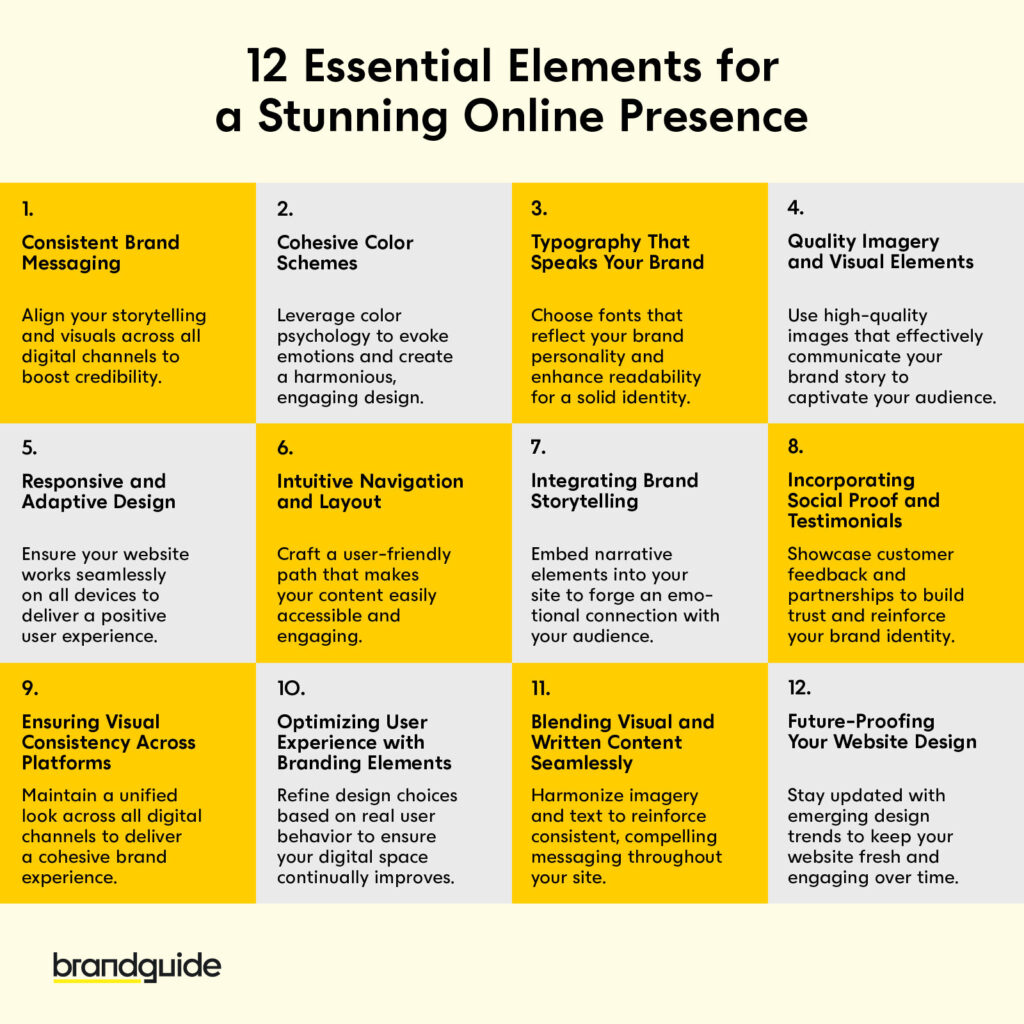
| Consistent Brand Messaging | Align your storytelling and visuals across all digital channels to boost credibility. |
| Cohesive Color Schemes | Leverage color psychology to evoke emotions and create a harmonious, engaging design. |
| Typography That Speaks Your Brand | Choose fonts for branding that reflect your brand personality and enhance readability for a solid identity. |
| Quality Imagery and Visual Elements | Use high-quality images that effectively communicate your brand story to captivate your audience. |
| Responsive and Adaptive Design | Ensure your website works seamlessly on all devices to deliver a positive user experience. |
| Intuitive Navigation and Layout | Craft a user-friendly path that makes your content easily accessible and engaging. |
| Integrating Brand Storytelling | Embed narrative elements into your site to forge an emotional connection with your audience. |
| Incorporating Social Proof and Testimonials | Showcase customer feedback and partnerships to build trust and reinforce your brand identity. |
| Ensuring Visual Consistency Across Platforms | Maintain a unified look across all digital channels to deliver a cohesive brand experience. |
| Optimizing User Experience with Branding Elements | Refine design choices based on real user behavior to ensure your digital space continually improves. |
| Blending Visual and Written Content Seamlessly | Harmonize imagery and text to reinforce consistent, compelling messaging throughout your site. |
| Future-Proofing Your Website Design | Stay updated with emerging design trends to keep your website fresh and engaging over time. |
Understanding the Magic Behind Branding in Web Design
When you think about it, every click, scroll, and interaction on your website mirrors your brand’s personality and style. It’s like meeting someone new—your site communicates its design, messaging, and overall vibe before a word is even spoken. Building a consistent brand isn’t just about logos, colors, or image selection; it’s about creating a cohesive brand narrative that connects with your broader audience.
Let’s break it down:
- Core values and messaging: Your online presence should echo the business’s core values, forming a solid brand identity that inspires customer loyalty.
- Customer connection: Integrate authentic content that resonates with your target audience to boost the overall customer experience.
- Modern appeal: Keeping an eye on design trends and market competition helps ensure your site remains relevant and engaging.
Now that we’re on the same wavelength, let’s explore the 12 elements that shape a truly engaging digital brand.
12 Important Elements to Implement
Element #1 – Consistent Brand Messaging
Your message is your promise. Ever landed on a website where the headline shouts one thing and the body tells another? That disconnect can erode customer trust and dilute your business brand personality.
Crafting a Compelling Brand Story
Honesty and clarity go a long way. Weave together your company’s messaging and visual elements to tell a cohesive brand narrative. Whether you’re sharing your humble beginnings or highlighting a recent collaboration with other successful brands, ensure your storytelling is relatable and genuine. This approach not only builds a strong branding strategy but also strengthens your overall online presence.
Delivering Cohesive Messaging Across Digital Channels
Imagine a friend who tells different stories at different meetups—it just won’t do. Your branding efforts need to be consistent across all channels. From your website’s content to your marketing materials, a unified message reinforces brand recognition, making your digital space feel like a well-branded website that customers can easily identify.
Element #2 – Cohesive Color Schemes
💡
Color is more than just decoration—it’s a powerful tool that sparks emotion and sets a tone. Think about how certain hues evoke a sense of calm, excitement, or trust.
The Psychology Behind Color Choices
Getting the basics about color theory right is key. Consider a blue color palette to foster trust or bright colors to create an energizing vibe. With a cohesive color palette that complements your overall branding, you can subtly influence the user’s mood and encourage a positive user experience.
Integrating Colors Naturally into Your Website
When choosing your colors, aim for a harmonious balance that aligns with your brand’s style guide. Whether it’s a carefully chosen color pallet or hints of dopamine colors that evoke energy, your color schemes should speak directly to your target audience while maintaining a refined and consistent design.
Element #3 – Typography That Speaks Your Brand
Typography is like the silent ambassador for your brand, conveying your business values and tone before the visitor even reads a word.
Selecting the Right Typeface for Your Brand Identity
The right font can transform your messaging into visual content that’s both inviting and professional. Whether you lean towards a classic serif for that timeless appeal or a modern sans-serif to catch the eye, your typography choices should support a solid brand identity and foster solid brand recognition.
Enhancing Readability and Aesthetic Appeal
Pair varied typefaces strategically—think of it as mixing design inspiration with creative design elements—to highlight key information without sacrificing clarity. The overall aim is to create a reading experience that’s easy on the eyes yet memorable for both current and potential customers.
Element #4 – Quality Imagery and Visual Elements
A picture is worth a thousand words, and that saying holds especially true for online branding. High-quality imagery can speak volumes about your brand and set the tone for your design.
Leveraging Photography and Graphics to Tell Your Story
Choose images that naturally convey your brand values. Whether it’s authentic photos of your team or sleek visuals that demonstrate your marketing prowess, branded imagery-driven designs help to reinforce your cohesive brand experience.
Developing a Visual Content Strategy
Think of visual content as part of your broader content strategy. From clickable images to downloadable content, ensure your visuals are as thoughtfully chosen as your messaging, contributing to a consistent, professional online presence that attracts and retains customers.
Element #5 – Responsive and Adaptive Design
Nothing is more frustrating for users than a website that falters on mobile devices. With more people browsing on the go, responsive website branding is essential for keeping your audience engaged.
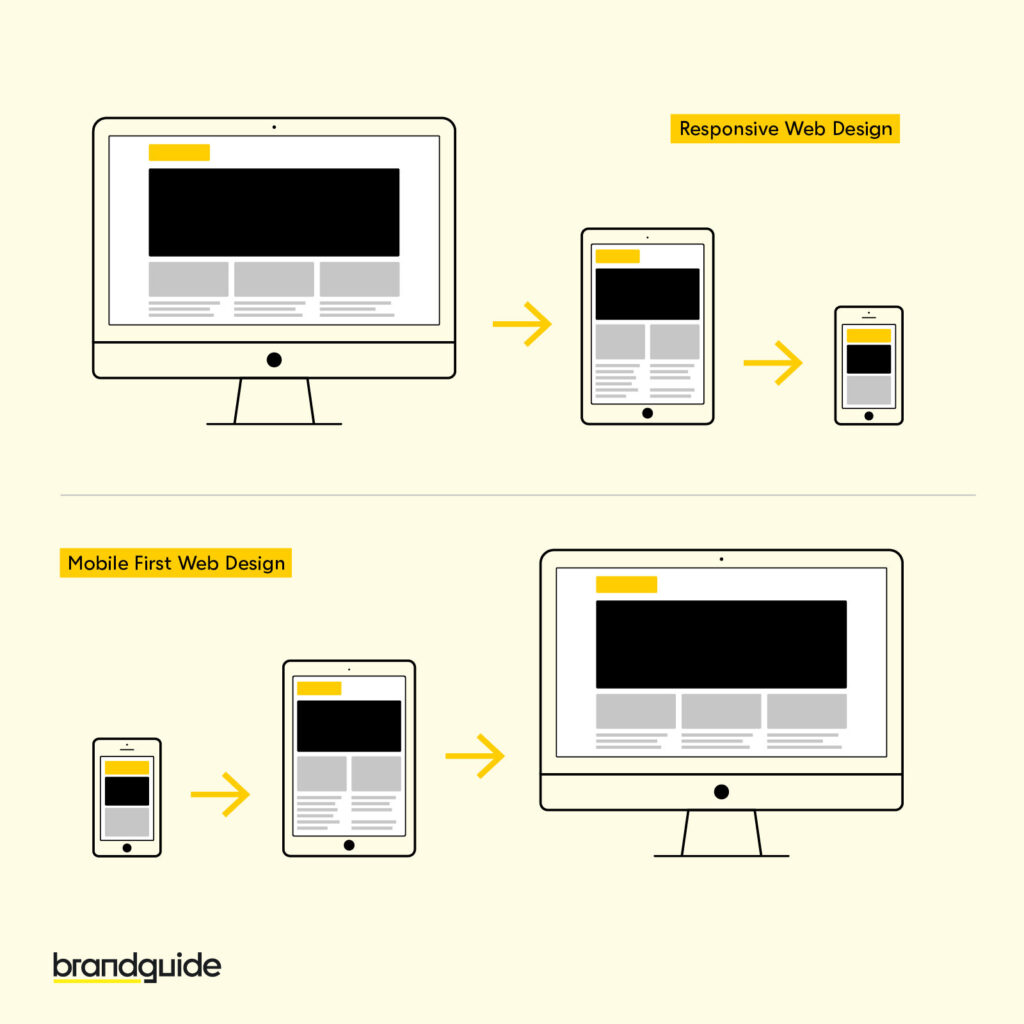
Embracing a Mobile-First Approach
Design with mobile users in mind first—because if your digital marketing success depends on conversion rates, ensuring a positive user experience on every device is non-negotiable.
Maintaining Consistency Across Platforms
Every touchpoint, whether on a tablet, desktop, or smartphone, should reflect the same creative design elements. This consistency not only bolsters brand recognition but also ensures your digital content speaks with a single, confident voice.
Element #6 – Intuitive Navigation and Layout
Navigation is more than a menu—it’s a roadmap that guides your visitors effortlessly through your content and visual design.
Simplifying the User Journey
Make your website feel like a friendly neighborhood, where every design decision eases the user journey. A logical layout ensures your audience isn’t left confused, turning casual browsers into engaged customers by reducing friction.
Balancing Aesthetic Appeal with Functionality
Here’s the thing: a gorgeous design is only half the battle. It must work seamlessly too. Ensuring your pages are both visually striking and easy to navigate builds that cohesive brand identity that customers appreciate and trust.
Element #7 – Integrating Brand Storytelling
Every brand has its own story—one that goes beyond products and sales. Sharing your narrative makes your brand memorable.
Utilizing Narrative Techniques in Design
Incorporate subtle storytelling elements into your design, whether through a hero image that captures your company brand personality or interactive features that reveal your journey over time. This cohesive brand narrative helps potential customers feel connected to your brand on a personal level.
Learning from Successful Case Studies
Take a page from successful brands that have seamlessly merged their content and design. Look at how industry leaders have fostered strong branding efforts by sharing genuine customer feedback and inspirational stories that evoke emotions and foster customer loyalty.
Element #8 – Incorporating Social Proof and Testimonials
💡
Trust is key in converting visitors into loyal customers. Social proof is like a quiet nod from a friend, reassuring new visitors of your quality and reliability.
Building Trust Through Customer Feedback
Highlight the voices of your current customers by integrating their testimonials. Authentic customer feedback can help bridge the gap between prospective and actual customers, reinforcing your branding strategy and showing a well-branded website in action.
Highlighting Accreditations and Partnerships
Showcase any awards, certifications, or notable collaborations with other brands. Such validation amplifies your company’s brand recognition, positioning you ahead in market competition and boosting customer confidence.
Element #9 – Ensuring Visual Consistency Across Platforms
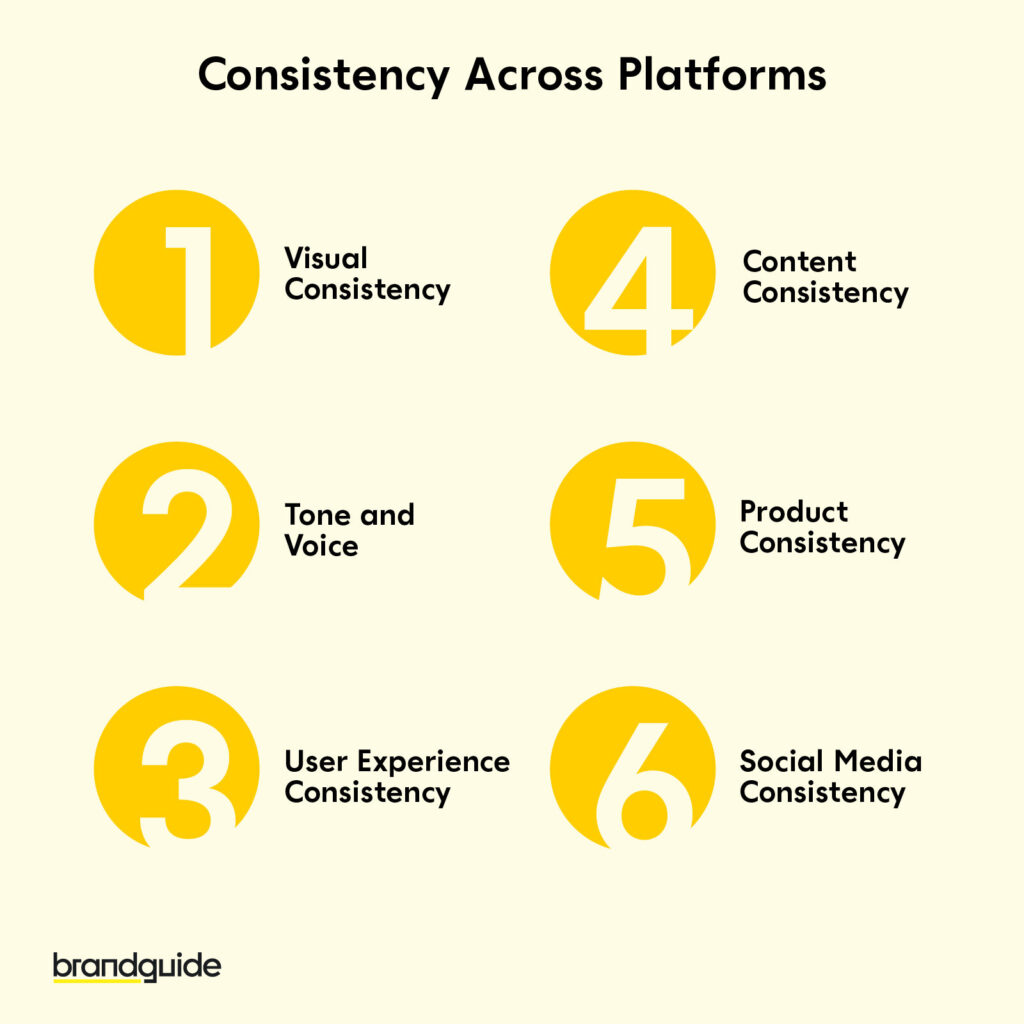
Maintaining consistent design across various platforms is crucial for cultivating a cohesive brand identity that resonates with your target customer.
Strategies for a Unified Digital Look
Consistency in design—from headers to buttons—gives your website the feel of a carefully planned masterpiece.
When every visual element aligns with your chosen color schemes and style guide, your brand’s identity becomes unmistakable.
The Role of a Brand Style Guide
A robust style guide is invaluable. It spells out the dos and don’ts of your branding—from font choices to color palettes—ensuring everyone involved in the design process contributes to a consistent brand experience.
Element #10 – Optimizing User Experience with Branding Elements
Fine-tuning your website is an ongoing process. Much like perfecting a recipe, a little adjustment here and there can lead to a big improvement.
Experimenting with Design Choices
Trying out different design decisions using simple user feedback is a smart move. Whether it’s through A/B testing or gathering customer feedback, these tweaks help you see what truly resonates with your audience and keeps your marketing efforts dynamic.
Using Analytics to Refine Your Approach
Data from your site visits can offer insights into what’s working and what isn’t. Continuous refinements based on real customer behavior contribute significantly to maintaining a positive user experience and reinforce a solid brand identity.
Element #11 – Blending Visual and Written Content Seamlessly
Your website should feel like a well-orchestrated duet—where images and content harmonize perfectly to tell your story.
Crafting Calls-To-Action that Resonate
A punchy call-to-action can turn a casual visitor into a committed customer. By matching dynamic visual elements with bold website content, you create invitations that are both clear and enticing.
Harmonizing Content and Visuals
Think of your content and imagery as partners in a dance. Each should highlight the other’s strengths. This delicate balance not only enhances the overall aesthetic but also reaffirms your branding strategy, making the entire online experience feel natural and engaging.
Element #12 – Future-Proofing Your Website Design
In the rapidly changing landscape of design and digital marketing, staying ahead is key. Today’s design trends may evolve, but a well-crafted online presence stands the test of time.
Staying Ahead of Design Trends
Keep one eye on emerging trends in graphic and visual design.
Whether you’re drawn to a subtle change in layout or notice a shift in color preferences, maintaining a flexible mindset helps you remain relevant amidst ongoing market competition.
Investing in Reliable Design Tools
Work with tools that enable careful website design planning. Making smart choices with technology not only ensures a smooth customer experience but also keeps your design consistent and innovative as you adapt to new trends.
Wrapping It Up
Your website is not only a portal for information—it’s a canvas where design, content, and marketing converge to form a strong branding strategy. So, why not take these ideas, mix them with a pinch of creativity, and create a digital space that resonates with your audience while standing head and shoulders above the competition?