




5 Key Takeaways of Brand Style Guidelines
| Guideline | Key Insight |
|---|---|
| Logo & Clear Space | Ensure your logo has ample clear space for instant recognition. |
| Color Palette Precision | Use coordinated core and accent colors with defined color codes. |
| Consistent Typography | Establish a clear typography hierarchy for better readability. |
| Iconography & Custom Illustrations | Integrate unique illustrations to enhance your visual identity. |
| Accessibility Standards | Adapt designs for inclusive, user-friendly brand communication. |
Understanding Brand Style Guidelines
Before we get to the list, it’s essential to understand why brand style guidelines are indispensable. These comprehensive guides act as the blueprint for your brand’s visual identity. They address everything from acceptable logo usage to defining a consistent tone of voice and even set parameters on design elements like typefaces and imagery. With a clear document outlining your guidelines, you ensure that every piece of content—from your website to your print collateral—reflects your brand values without confusion or incorrect usage.
When you invest in creating a concise, easy-to-read document, you’re not only maintaining consistency across platforms but also communicating a consistent message to your audience. This process, which considers even subtle details like asset guidelines and illustration nuances, transforms a simple branding exercise into a robust visual strategy.
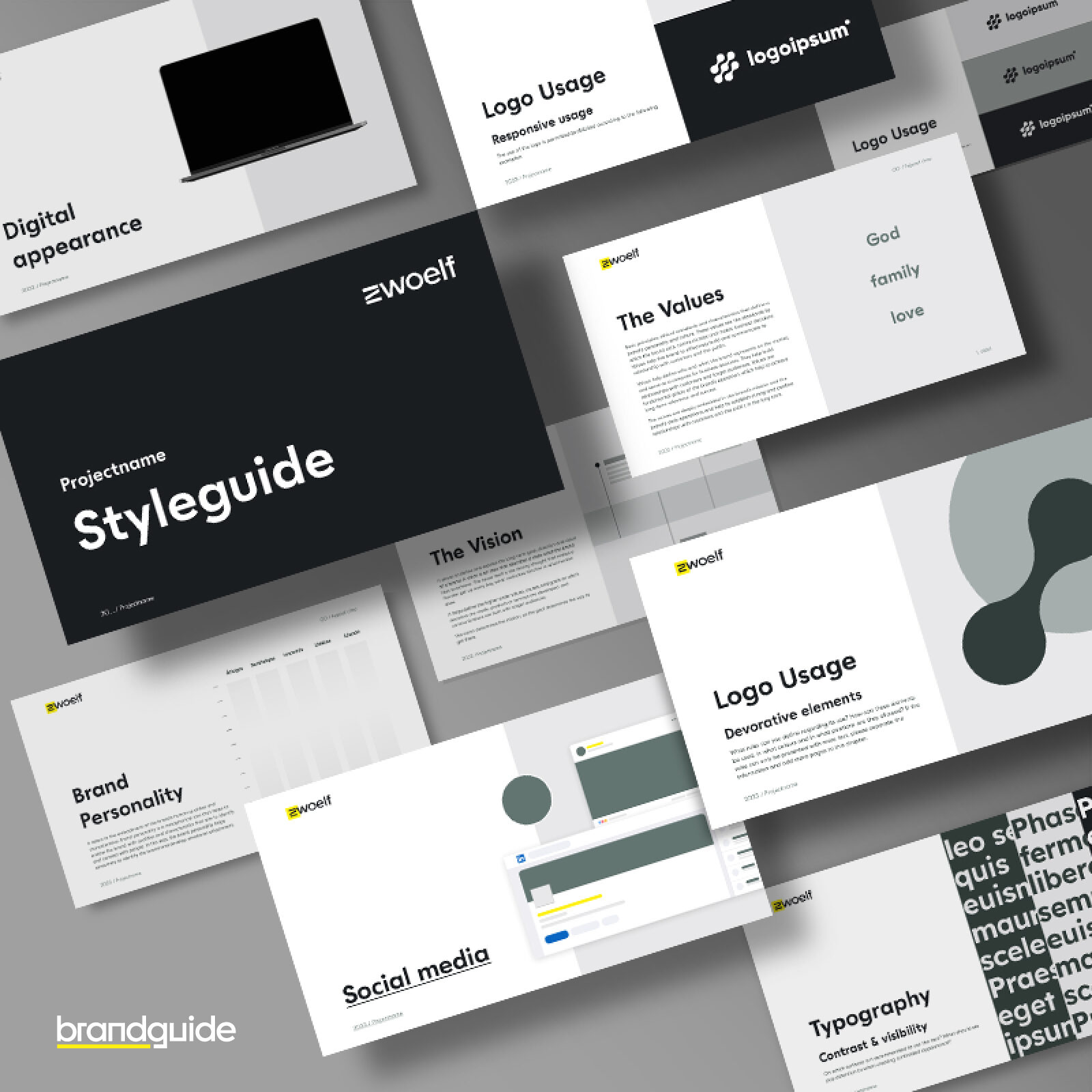
33 Inspiring Brand Style Guidelines
Below is a unified, numbered list of 33 standout guidelines curated from leading industry examples. Each item not only demonstrates consistent brand identity but also offers actionable insights and tips to elevate your visual strategy.
1. Logo Usage & Clear Space
Have you ever wondered what makes a brand truly unforgettable? Whether you’re a startup founder or an established business owner, ensuring ample clear space around your logo is essential for maintaining its integrity. When placed beside bold colors or set against a background color, proper spacing increases recognition and sets the stage for a cohesive visual identity.
2. Color Palette Precision
Selecting a harmonious core color palette that reflects your brand’s personality is crucial. Use defined color codes and set guidelines for acceptable variations—such as accent colors and background colors—to ensure a visually appealing and consistent look throughout all your assets.
3. Consistent Typography
Establish a strict hierarchy with primary and acceptable fonts for headlines, subheadings, and body copy. Consistent typography not only improves readability but also reinforces a balanced design hierarchy that strengthens your overall visual narrative.
4. Imagery Style & Filters
Set clear guidelines for the photography and image filters you employ. Whether choosing natural light effects or specific filter treatments, maintaining consistency in your imagery style helps solidify your brand’s visual story.
5. Iconography & Custom Illustrations
Integrate unique iconography and custom illustrations to inject personality into your design. Consistent usage of playful “Trello-y” or more refined illustrations enhances your overall visual identity when documented clearly in your style guide.
6. Voice & Tone Documentation
Document the style and tone of your written communication. A well-defined voice ensures every piece of content—from social media posts to website copy—resonates with your intended audience and aligns with your visual identity.
7. Structured Layout & Grid Systems
Adopt a clear grid system for all your layouts. This structure guides every design element, ensuring images, text blocks, and interactive features remain harmonious and balanced within your overall document of guidelines.
8. Digital vs. Print Consistency
Specify rules for adapting your visuals across digital and print platforms. Whether you’re working on a concise digital document or a comprehensive guide, maintaining consistency in asset guidelines and design variations across media is essential.
9. Social Media Visual Strategy
Extend your style guidelines to cover social media imagery, ensuring consistent orientation and color combinations are applied. A unified social media strategy makes your brand recognizable across multiple digital channels.
10. Accessibility Standards
Incorporate accessibility by selecting legible typefaces and appropriate color contrasts. Ensuring that your design adheres to accessibility standards reflects your commitment to a broader audience and enhances overall user experience.
11. Motion & Animation Guidelines
Outline digital motion elements and dynamic effects. Whether using subtle animations or distinct transitions, proper guidelines for motion add life to your online presence while supporting your visual narrative.
12. Brand Storytelling Through Visuals
Use every design element—from typography to imagery—to weave your brand’s unique story. An intentional narrative in your visual strategy creates an emotional connection with your audience and reinforces your identity.
13. Custom Graphics & Visual Patterns
Develop custom graphics and visual patterns that serve as additional assets. Clear guidelines for using these elements ensure they complement your core message without overwhelming the overall design.
14. Photography Composition & Subject Focus
Define the preferred composition for your images, setting clear expectations for subject focus and framing. A deliberate approach to photography enhances your brand’s visual appeal and reinforces key elements of your identity.
15. Logo Variations & Adaptability
Prepare for diverse contexts by establishing guidelines for alternate logo formats, including horizontal, vertical, or simplified versions. This ensures proper usage across different backgrounds and mediums.
16. Brand Tagline Integration
Document how to incorporate your brand’s tagline alongside visual elements. This integration of messaging with design further cements your brand identity and creates a unified narrative.
17. Interactive Digital Elements
Specify design rules for digital elements such as buttons, links, and interactive components on your website or app. Consistent UI elements improve user engagement and support a seamless digital experience.
18. Packaging & Label Design Rules
Outline clear standards for packaging, including acceptable color combinations, typography, and layout. Consistent packaging design builds trust and ensures that every product reflects your brand’s visual identity.
19. Email & Newsletter Templates
Ensure that your email and newsletter templates are consistent with your overall style. Uniform layouts, typography, and imagery in digital communications contribute to a cohesive branding experience.
20. Event & Promotional Material Standards
Establish standards for all promotional materials such as event flyers and banners. Ensuring that these assets align with your visual guidelines strengthens your brand’s presence across both digital and physical spaces.
21. Seasonal Variation Guidelines
Allow for seasonal updates within your style guide without straying from core design principles. These guidelines give your brand the flexibility to celebrate key moments while remaining consistent.
22. User-Generated Content Integration
Create criteria for incorporating user-generated content into your brand’s visual narrative. Clear guidelines help align third-party visuals with your overall style, maintaining a unified look.
23. Standardizing Aspect Ratios & Orientation
Set standards for the orientation and aspect ratios of your images. Consistency in image framing supports a polished look across various platforms and use cases.
24. Background & Texture Selections
Define acceptable background colors and textures that harmonize with your visual assets. Carefully selected backgrounds reinforce your brand’s identity and enhance overall design cohesion.
25. Call-to-Action Styling
Detail the design treatment for call-to-action elements such as buttons and banners. Specifying fonts, colors, and layout details for CTAs ensures they capture attention and drive engagement.
26. UI Element Guidelines for Web & Apps
Provide comprehensive rules for all UI elements on digital platforms, including navigation menus, forms, and interactive components. Consistent design in these areas promotes a smooth, accessible user interface.
27. Print Collateral Formatting
Establish strict standards for printed materials, including brochures, business cards, and posters. Uniform design in print helps maintain brand consistency across all tangible assets.
28. Infographic & Data Visualization Design
Offer clear instructions for creating infographics and data visualizations. A focus on simplicity and consistent use of core colors ensures that even complex information is presented clearly.
29. Editorial Style for Written Content
Document visual styling rules for written content, including tone, formatting, and placement. Integrating these guidelines with your overall design strategy ensures that written elements support your visual identity.
30. Microcopy & Interface Text
Outline standards for microcopy and small interface texts. Consistent styling for these brief messages reinforces your brand’s voice and enhances overall usability.
31. Multilingual and Cross-Cultural Design Considerations
Address design adaptations for various languages and cultural contexts. Guidelines in this area ensure that your visual identity resonates across global markets while honoring cultural nuances.
32. Sustainability & Ethical Design Messaging
Incorporate principles that emphasize sustainable and ethical practices. Guidelines supporting these values not only enhance your brand image but also appeal to conscientious consumers.
33. Regular Updates & Data-Driven Iteration
Implement a strategy for regularly reviewing and updating your style guide. Data-driven iterations help ensure that your visual strategy stays current with market trends and audience feedback.
Applying These Guidelines to Your Brand Strategy
Now that you’ve seen a lineup of inspiring brand style guide examples, how do you put these into action? Here’s a streamlined approach for business owners ready to transform their visual identity:
- Start with a Solid Foundation:
Begin by outlining the core elements of your brand using a simple style guide template. Document your acceptable logo usage, fonts, and even specific asset guidelines. This blueprint should cover everything from your preferred color combinations (including accent color and background color) to the minimal usage of design elements that ensure your visual identity remains consistent. - Ensure Cross-Platform Consistency:
Whether you’re updating a digital document, creating promotional assets, or adapting your print collateral, follow the same usage guidelines. From interactive elements to microcopy rules, this consistency reassures your audience and communicates a coherent brand message. - Leverage User Feedback & Industry Trends:
Monitor how your audience interacts with your design and branding. Use insights from your document of guidelines to tweak design variations and refine your asset usage, ensuring that every update adheres to current graphic design trends. - Document, Review, and Evolve:
Keep your guide concise and easy-to-read while allowing room for dynamic updates—a practice common among directors of branding agencies. Whether updating a 23-page brand guide outline or a 41-page style guide, consistency in both document and delivery is key.
Conclusion
Building a robust visual identity requires a blend of creativity, consistency, and strategic storytelling. These 33 inspiring brand style guidelines showcase how proper attention to colors, design elements, and document structure transforms your visual strategy into a compelling narrative. By incorporating everything from acceptable color variations to clear asset and illustration guidelines, you can craft a cohesive branding package that resonates deeply with your audience.
Remember, a well-documented set of branding rules isn’t just a static reference—it’s a vibrant tool that evolves with your business. So take these actionable tips, adapt them to your unique context, and watch as your visual identity grows stronger each day.