



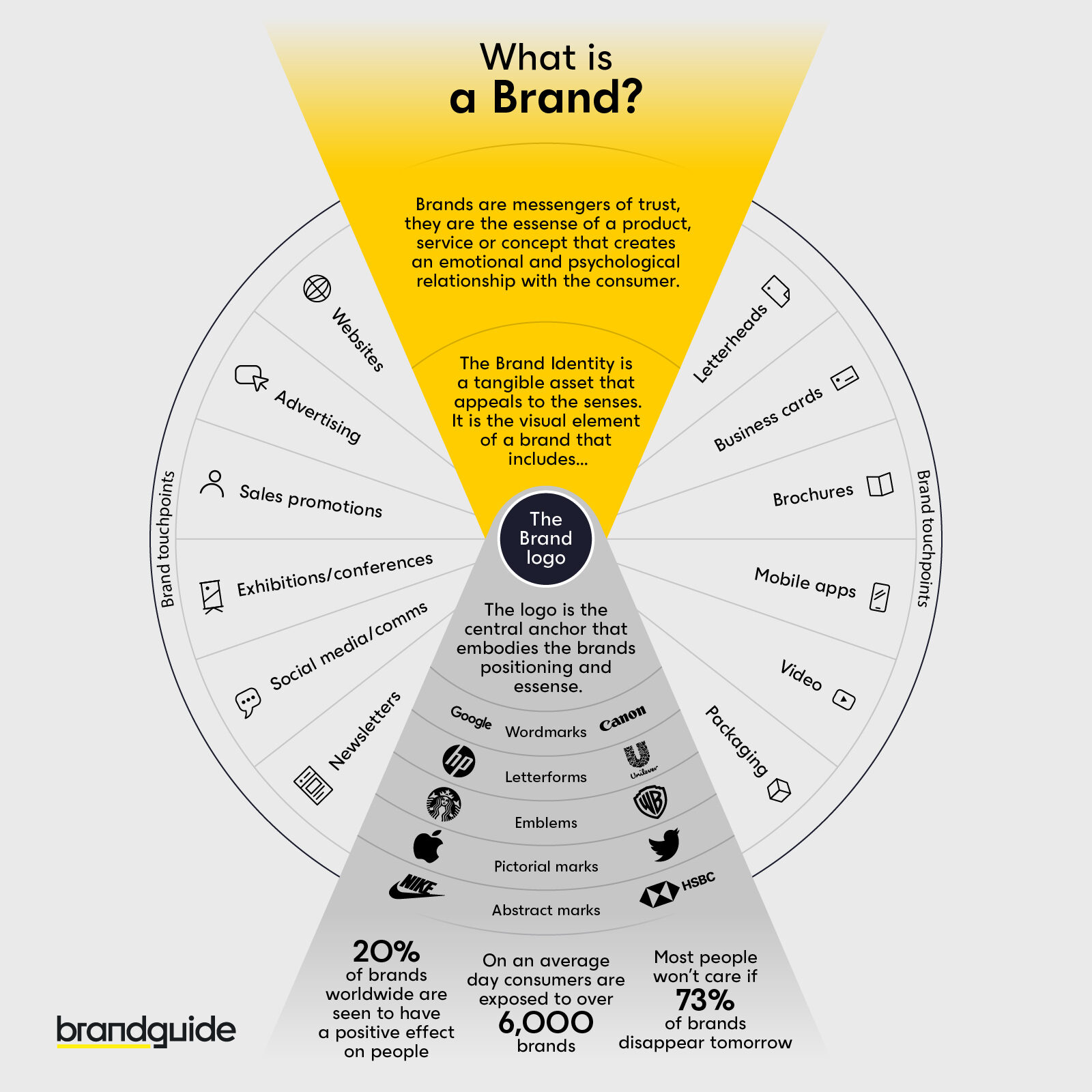
The Many Faces of a Brand: More Than Just a Logo
When we talk about a brand, many might initially think it’s just a fancy logo or a catchy tagline. But there’s so much more beneath the surface. A brand is essentially the personality of your business—it’s the promises you make, the trust you build, and the experience you deliver to your customers.
Imagine a friend whose personality shines through every interaction. A brand does exactly that. It speaks, acts, and resonates with people in ways that forge connections and drive loyalty. Whether you’re discussing personal brands like influencers or robust corporate brands that underpin global giants, the principle is the same: it’s all about building relationships.

Consider how Coca-Cola’s red color and timeless design have become synonymous with refreshment and joy over decades. This isn’t an accident. The consistent choice of colors, bold design, and emotionally engaging campaigns have cemented Coca-Cola’s identity in the minds of consumers worldwide. It’s a classic case of a cohesive brand identity that transcends generations.
Defining the Brand: What Exactly Is a Brand?
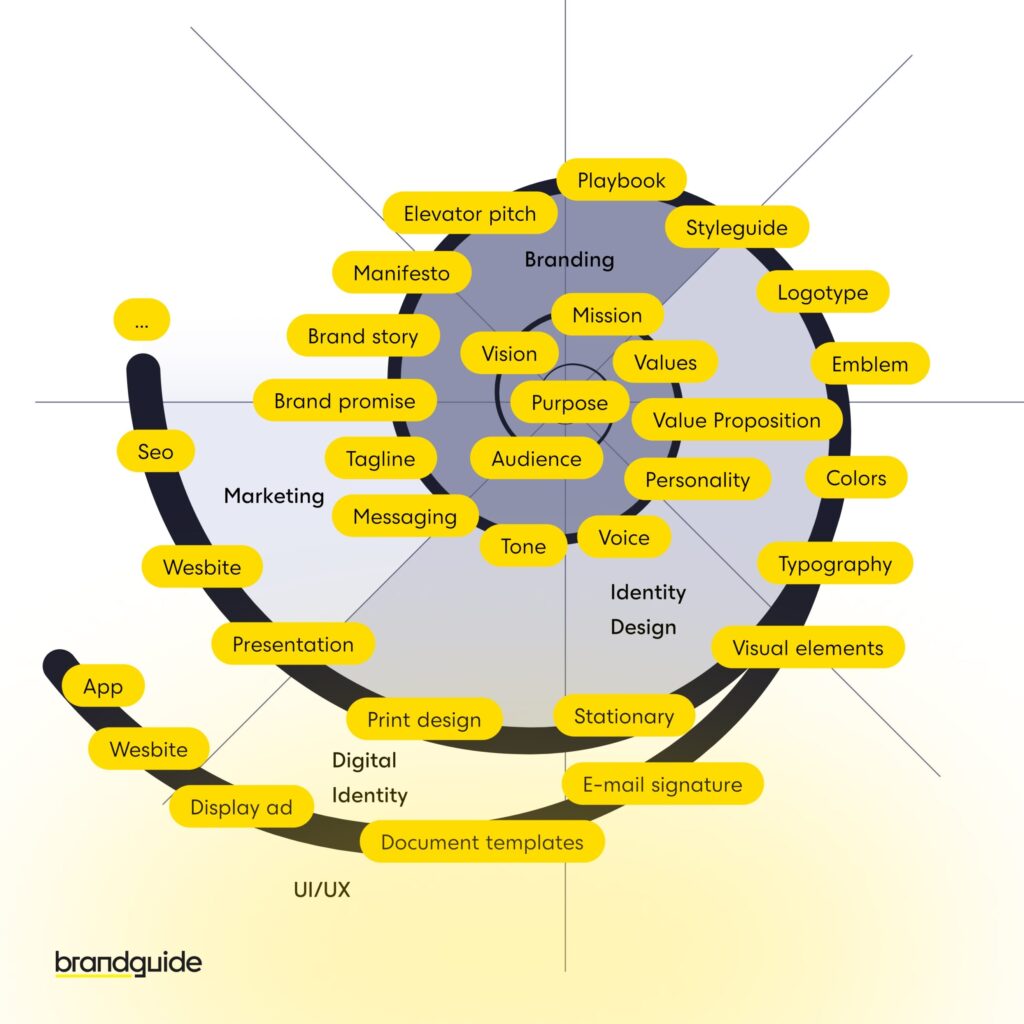
at its core, a brand is the sum total of all the impressions, experiences, and emotions a customer associates with your business. It’s a tapestry woven from visual identity (like logos, color palettes, and design elements) and verbal identity (tone of voice, messaging, and communication style). Here’s the thing: every interaction with your audience, from a tweet to a product packaging, adds a stitch to that tapestry.
Let’s break it down:
- Visual Identity: This includes everything you see—from the blue hues in your logo to the bold colors that catch the eye. Think about the power of a well-chosen color palette; the right choice can evoke feelings of trust, excitement, or even nostalgia.
- Verbal Identity: The words you use, the tone of your messaging, and even the way you respond to customer feedback form your brand’s verbal identity. It’s your chance to speak directly to your audience and build rapport.
- Emotional Connection: This is arguably the most intangible yet critical aspect. A brand creates an emotional bond that can convert one-time buyers into lifelong advocates. When your customers feel understood and valued, their loyalty becomes an asset that drives your business forward.
By understanding these elements, you’re not just creating a logo or a catchy slogan—you’re building a valuable asset that serves as the backbone of your marketing efforts.
A Walk Through History: How Branding Evolved
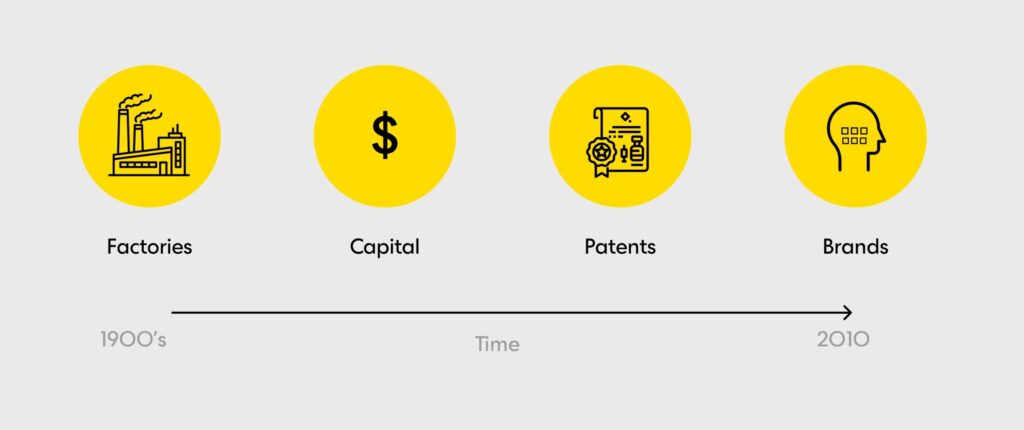
It’s fascinating to note that the concept of branding isn’t a modern invention. In fact, branding traces its roots back to ancient times when craftsmen would mark their goods to ensure quality and authenticity. Fast forward to the 19th century, and we see the birth of modern branding techniques that set the stage for today’s marketing innovations.
During this era, as industrialization took hold, businesses began to realize that their unique mark could be a critical advantage in a crowded market. The Industrial Revolution not only introduced mass production but also highlighted the need for a distinct identity that consumers could trust. This was the era when branding started to evolve into a tool for customer differentiation and loyalty-building.
Then came David Ogilvy, often hailed as the “Father of Advertising.” His philosophies emphasized that a brand is built on clarity, consistency, and an honest promise.
Ogilvy’s insights remind us that the most successful brands are those that maintain a consistent message across all channels, ensuring that every touchpoint reflects the same core values and personality.
Branding in Action: The Emotional Blueprint of Success
Now, let’s get into the nuts and bolts of how branding directly impacts marketing success. A strong brand does more than just look good on paper—it creates a deep, almost emotional connection with your audience.
And why is that so important? Because customers aren’t just buying a product or a service; they’re investing in a promise.
Building Trust Through Consistency
One of the most significant advantages of a well-defined brand is consistency. When your customers know what to expect every time they interact with your brand—be it through your marketing materials, social media posts, or in-store experiences—it builds trust. And trust, as we all know, is the cornerstone of customer loyalty.
Imagine stepping into your favorite coffee shop where the ambiance, service, and quality are always just as you love them. That reliability transforms a simple transaction into a relationship, and that’s precisely what effective branding aims to achieve.
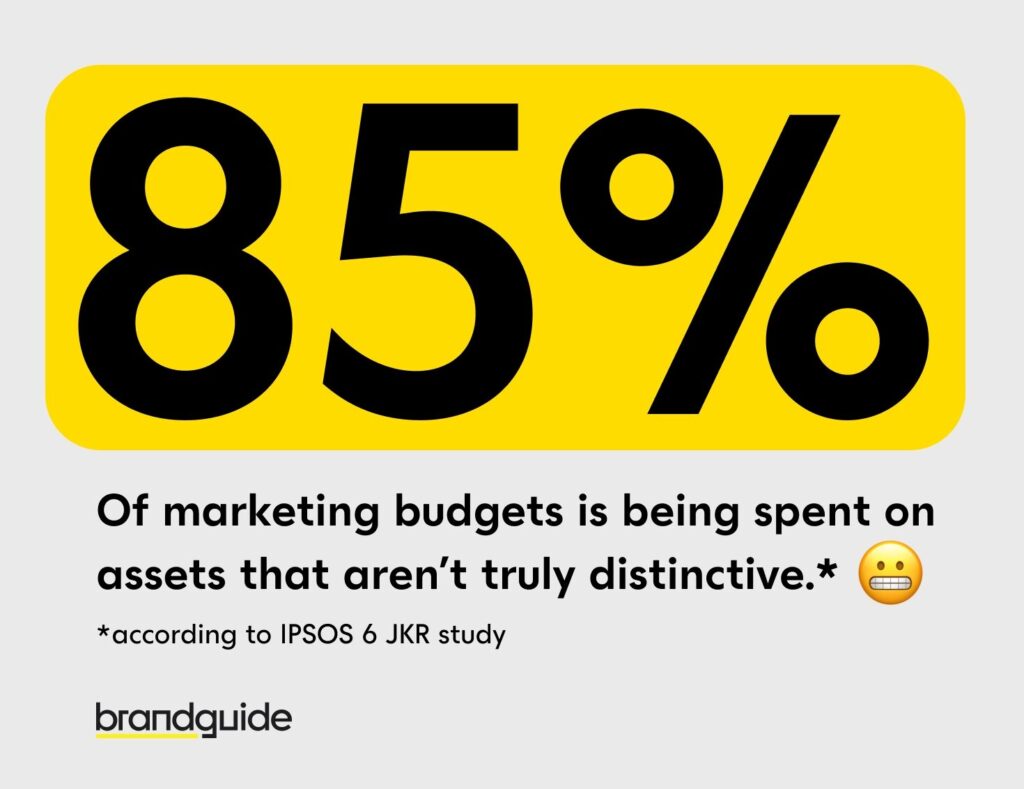
Differentiation in a Crowded Market
The marketplace today is like a vast sea of products and services, each vying for a slice of the consumer’s attention.
Here’s the thing: if you’re not standing out, you might as well be invisible.
A unique brand identity sets you apart from competitors by highlighting your distinctive values, personality, and promise.
Take a moment to think about the bold colors and innovative design strategies of leading brands. Whether it’s a striking blue that exudes reliability or a vibrant red that speaks to passion and energy, your brand’s color scheme is a powerful tool in differentiating your offerings. It’s not just about aesthetics; it’s about crafting an image that resonates with your target audience and reinforces your market advantage.
Connecting With the Right Audience
Understanding your audience is a critical step in crafting a successful brand. It’s not enough to have a great product or service—you need to speak directly to those who will benefit from it the most. This is where creating detailed audience personas comes in. By conducting in-depth customer interviews and research, you can uncover what truly matters to your potential customers and tailor your messaging accordingly.
For instance, a brand aimed at tech-savvy millennials might adopt a more casual, innovative tone, while a company targeting corporate clients might prefer a refined, authoritative voice. The ability to adjust your communication style to connect with ideal customers is what separates good branding from great branding.
The Art and Science of Branding Strategy
Let’s be honest: branding isn’t a one-size-fits-all endeavor. It’s an art form mixed with a good dose of strategy. Think of it as crafting a blueprint for your company’s personality—one that will guide every decision, from the choice of colors to the language used in your marketing campaigns.
Crafting Your Visual Identity
Your visual identity is often the first thing that strikes your audience. It’s what draws their eyes and makes that first impression. A well-thought-out design involves a careful selection of elements like logos, typography, and, of course, your color palette. When these components work together seamlessly, they form a cohesive visual narrative that can evoke immediate emotional responses.
Consider the impact of Coca-Cola’s iconic red. That particular shade isn’t just a color—it’s a symbol of refreshment, joy, and timeless appeal. When you consistently use such design elements, you create a master brand identity that speaks louder than words.
Developing a Verbal Identity That Speaks Volumes
While visuals catch the eye, it’s your words that win the heart. Your verbal identity includes everything from your brand’s tagline to the tone used in social media posts, blog articles, and customer service interactions. It’s essential to establish a consistent voice that aligns with your brand’s personality and values.
💡
You know what? Sometimes, a well-placed phrase or a carefully crafted message can transform a casual interaction into a memorable experience. Whether it’s a humorous tweet or a heartfelt email response, your communication style is a powerful tool in shaping how customers perceive your brand.
Merging Art With Business: A Cohesive Branding Strategy
The secret sauce of a successful branding strategy lies in the ability to merge creativity with clear business objectives. You need to ensure that every branding activity—be it a campaign, a service offering, or a new product launch—reinforces your brand’s core message. This is where branding tools and expert guidance come into play. Working with a branding agency or consulting with branding professionals can provide that extra layer of polish, ensuring that your efforts are both innovative and effective.
For many CEOs and founders, establishing a corporate branding strategy is not just a creative challenge but a crucial step in building customer loyalty. It’s about creating a consistent experience that not only attracts new customers but also nurtures a long-term bond. When customers repeatedly experience the same high level of quality and consistency, their trust grows, and so does their loyalty.
Real-World Examples: Brands That Got It Right
Let’s talk about some real-world brands that have set the benchmark for effective branding. These examples illustrate how a well-crafted brand identity can create an emotional connection, drive customer interactions, and ultimately fuel marketing success.
Coca-Cola: The Magic of Red
Coca-Cola is perhaps one of the most iconic examples of branding done right. Its red color isn’t just eye-catching—it’s emotionally evocative, signaling passion, energy, and tradition. Over the decades, Coca-Cola has maintained a consistent visual and verbal identity that resonates with customers worldwide. The company’s branding strategy doesn’t just sell a beverage; it sells a feeling of refreshment and happiness. This level of consistency has allowed Coca-Cola to remain relevant, even in a rapidly changing market.

Apple: Where Design Meets Personality
Then there’s Apple—a brand that’s synonymous with sleek design, innovative technology, and an unmistakable personality. Apple’s brand isn’t merely about products; it’s about an experience. The company’s visual identity, characterized by minimalist design and a distinctive color scheme, coupled with its clear, conversational communication style, creates a strong emotional bond with its customers. It’s a lesson in how blending simplicity with sophisticated branding strategy can result in a loyal customer base that feels like part of an exclusive club.
Nike: The Power of a Message
Nike’s “Just Do It” campaign is a masterclass in verbal identity. The brand’s messaging goes beyond promoting athletic wear—it inspires a mindset of determination and resilience. Nike understands that a brand is as much about how you say things as it is about what you say. Their communication style, filled with motivational cues and a casual yet empowering tone, connects deeply with audiences looking for that extra push to achieve their goals.

The Role of Branding in Modern Marketing
In the current landscape, where customers are inundated with choices, a robust brand is more than a marketing tool—it’s a strategic asset. Here’s how effective branding can give you a real advantage in the market:
Creating Emotional Resonance
A strong brand isn’t built overnight; it’s the result of consistent efforts to create an emotional resonance with your audience. It’s about tapping into the core feelings and aspirations of your customers. When you build a brand that speaks to the heart as well as the mind, you create a connection that transcends transactional relationships. That emotional bond is what leads to customer loyalty and, ultimately, success.
Enhancing Customer Loyalty
When customers feel connected to your brand, they’re more likely to stick around—even when faced with a tempting competitor offering a similar service. That bond is reinforced through consistent messaging, a recognizable personality, and an unwavering commitment to quality. A customer who believes in your brand becomes not just a repeat buyer but also an ambassador, spreading positive word-of-mouth and helping to expand your audience organically.
Driving Consistent Marketing Efforts
Branding provides a baseline for understanding across all your marketing channels. It aligns your marketing teams, ensuring that whether it’s a social media post, a print ad, or an in-person event, the message remains consistent and true to your identity. This consistent communication not only reinforces your brand but also creates a sense of reliability that can sway potential customers to give your products or services a try.
Standing Out in a Competitive Landscape
Imagine a crowded market where every brand seems to offer the same features or quality. What makes your brand stand out? It’s your unique blend of personality, visual flair, and the promise you deliver to customers. A well-defined branding strategy, one that considers both corporate branding and personal brands, ensures that your brand isn’t just another name—it’s a compelling story that captures attention and wins hearts.
Practical Steps to Crafting a Brand That Resonates
If you’re a CEO, founder, or marketer wondering how to build a brand that truly stands out, here are some actionable tips that can serve as valuable assets for your business:
💡
Conduct In-Depth Customer Interviews: Understand your ideal customers deeply. Ask questions that reveal their desires, challenges, and values. This information will be your blueprint for a brand that truly resonates.
Define Your Visual and Verbal Identity: Choose a color palette, design elements, and a tone of voice that reflect your brand’s personality. Remember, even subtle choices like a bold blue or a striking red can significantly impact customer perception.
Align Your Messaging Across Channels: Whether it’s your website, social media, or offline marketing materials, ensure your communication style is consistent. Consistency builds trust, and trust is key to customer loyalty.
Leverage Branding Tools and Expertise: Consider working with a branding agency or hiring a branding expert. These professionals can help you refine your brand’s elements, ensuring that every detail—from design to messaging—works in harmony.
Engage Your Audience Emotionally: Develop campaigns and content that speak to the emotions of your customers. Use storytelling to convey your brand’s journey and values, forging a deeper connection with your audience.
Monitor and Adapt: Branding isn’t static. Regularly review your brand’s performance and customer feedback. Be ready to make adjustments that reflect changing market dynamics or evolving customer needs.
Each of these steps is a crucial part of the larger process. By treating branding as both an art and a strategic asset, you can ensure that your brand remains a powerful tool in your marketing arsenal.

Beyond the Basics: Advanced Insights on Corporate and Personal Branding
Now, let’s take a moment to explore how branding scales across different types of businesses. Whether you’re dealing with corporate brands or personal brands, the underlying principles remain strikingly similar.
For corporate branding, it’s all about creating a master brand identity that embodies the values and mission of the organization. A strong corporate brand not only attracts customers but also instills a sense of pride and loyalty among employees. When your team believes in the brand, their interactions with customers become a natural extension of that belief.
On the other hand, personal brands—like those of thought leaders and influencers—are built on authenticity and relatability. These brands thrive on a direct connection with audiences, using a combination of expertise, personality, and genuine storytelling. In many ways, the personal brand mirrors the core principles of corporate branding, just with a more intimate and individualistic touch.
Both approaches require a deep understanding of your target audience, from potential customers to loyal followers. Crafting detailed audience personas can help clarify who you’re speaking to, ensuring that every message is on point and every campaign is crafted with a clear purpose.
Looking Ahead: The Future of Branding in Marketing
As we navigate the ever-changing marketing landscape, one thing remains constant: the power of a strong brand. With new digital tools, evolving customer expectations, and an increasingly competitive market, your brand is more critical than ever.
Here’s the thing: branding isn’t just about keeping up—it’s about setting the pace. In a time when marketing campaigns must capture attention within seconds, a clearly defined brand identity can make all the difference. Whether you’re a startup finding your footing or an established company looking to refresh your image, a thoughtful branding strategy can be the catalyst for long-term success.
Moreover, with the rise of social media and digital communication channels, your brand’s voice has more opportunities to connect with audiences than ever before. Consistent, authentic communication across these platforms can enhance customer interactions and elevate your market position.
In wrapping up, consider this your blueprint for understanding what a brand truly is and why it holds the key to marketing success. By focusing on the fundamental elements of branding, learning from historical insights, and applying modern strategies, you can forge a brand that’s not just seen, but felt—one that turns everyday interactions into memorable experiences.
Remember, your brand is your promise to your customers. Keep it genuine, keep it consistent, and most importantly, keep it alive. So, what will your brand’s story be?
The next chapter is yours to write 🙌